Kitchen countertops are one of the most noticeable parts of any kitchen. Over time they can become stained, scratched, or simply outdated. Many homeowners start thinking about replacing them, but countertop replacement can be expensive. This is when a common question comes up: Can I paint my kitchen countertop instead?
The short answer is yes. You can paint kitchen countertops, and many people do it to refresh their kitchen without spending a lot of money. However, it is not as simple as painting a wall. Countertops go through heavy daily use. They face heat, water, food spills, and scratches. Because of this, the process needs careful preparation and the right materials.
This guide will explain everything you need to know about painting kitchen countertops. You will learn when painting is a good idea, what materials you need, how to do it step by step, and how to make the finish last longer.
Is It Possible to Paint a Kitchen Countertop?
Yes, it is possible to paint kitchen countertops. Many types of countertops can be painted successfully if the correct method is used.
Painting works best for refreshing the appearance of older countertops that still have a solid structure. If your countertop is cracked, broken, or badly damaged, painting will not solve the problem.
People usually paint countertops for three main reasons:
- To update the look of the kitchen
- To save money compared to replacement
- To try a DIY home improvement project
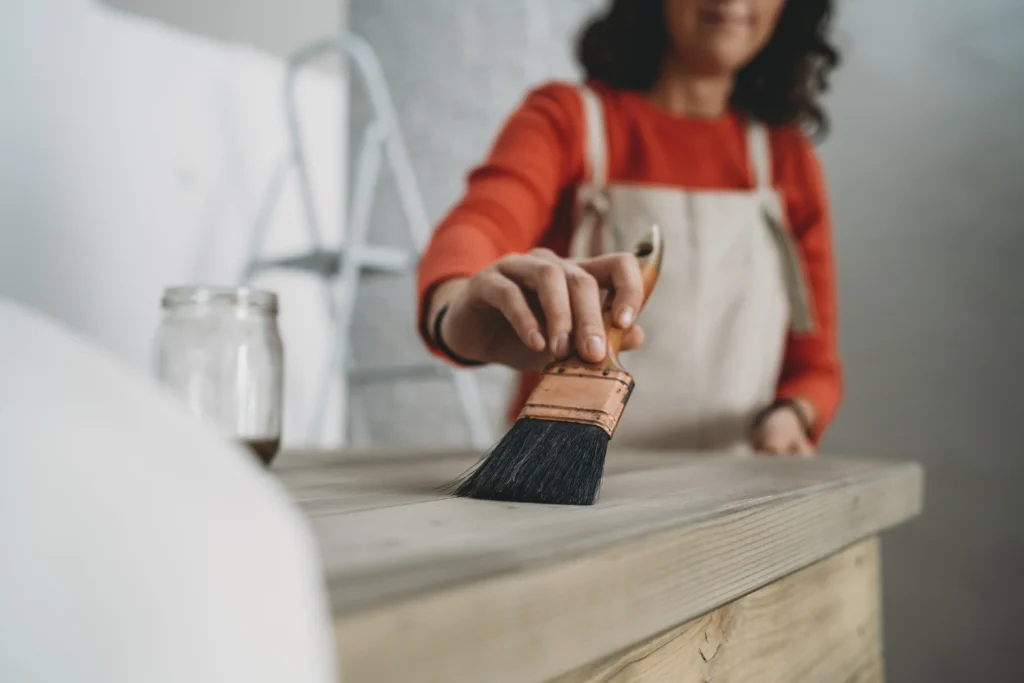
Painting can make laminate, wood, and even some stone surfaces look much better. There are also special countertop paint kits designed for durability.
Types of Countertops That Can Be Painted
Not every countertop behaves the same when painted. Some materials hold paint better than others.
Laminate Countertops
Laminate countertops are one of the most common surfaces people paint. They are smooth and affordable, but they can look outdated after many years.
With proper sanding and primer, laminate can be painted successfully.
Advantages of painting laminate:
- Easy to sand and prepare
- Affordable to refinish
- Accepts most countertop paint kits
Wood Countertops
Wood countertops are another good candidate for painting. Since wood is porous, it accepts paint well.
However, sealing is very important because wood can absorb moisture.
Tile Countertops
Tile countertops can also be painted, but the grout lines can make the finish uneven. Special tile paint or epoxy coatings work best.
Concrete Countertops
Concrete can be painted or stained. Many people paint concrete countertops to create a polished modern look.
Granite or Quartz Countertops
These surfaces can be painted, but it is usually not recommended unless you use specialized products. Natural stone is already durable and expensive, so painting it might reduce its value.
Benefits of Painting Kitchen Countertops
Painting countertops has several advantages, especially if you are working with a limited budget.
Affordable Kitchen Upgrade
Replacing countertops can cost hundreds or even thousands of dollars. Painting is much cheaper and usually requires only basic materials.
Quick Transformation
A full countertop replacement can take several days or weeks. Painting can often be completed in a weekend.
DIY Friendly
Most countertop painting projects can be done by homeowners without professional help.
Custom Appearance
Painting allows you to experiment with different styles such as marble effects, stone finishes, or solid colors.
Limitations of Painted Countertops
Even though painting is useful, it also has some downsides.
Less Durable Than Real Stone
Painted countertops are not as strong as granite or quartz. They can chip or scratch if heavy objects hit the surface.
Requires Maintenance
Over time you may need to touch up small damaged areas.
Heat Sensitivity
Hot pans placed directly on painted countertops may damage the finish.
Not a Permanent Solution
Painted countertops can last several years if maintained well, but they will eventually need refinishing.
Materials Needed to Paint Kitchen Countertops
Before starting, gather all the necessary tools and supplies.
Basic materials include:
- Sandpaper or sanding block
- Degreasing cleaner
- Painter’s tape
- Drop cloth or plastic sheets
- Primer
- Countertop paint or epoxy paint
- Paint rollers or foam brushes
- Clear protective topcoat
- Safety gloves
- Dust mask
Some people also buy countertop painting kits that include most of these items.
Preparing the Countertop Surface
Preparation is the most important step when painting countertops. Poor preparation can cause paint to peel or chip.
Clean the Surface
First remove all grease, food residue, and dirt from the countertop.
Use a strong kitchen cleaner or degreaser. Pay attention to areas near the stove and sink where oil buildup is common.
Remove Caulk and Hardware
If possible, remove the old caulk around the sink or backsplash. Also remove any detachable hardware.
Sand the Countertop
Light sanding helps paint stick to the surface. You do not need to remove the entire finish. The goal is to create a slightly rough surface.
Use medium grit sandpaper and sand evenly across the countertop.
Wipe Away Dust
After sanding, clean the surface with a damp cloth to remove dust. Make sure the countertop is completely dry before moving to the next step.
Protecting Surrounding Areas
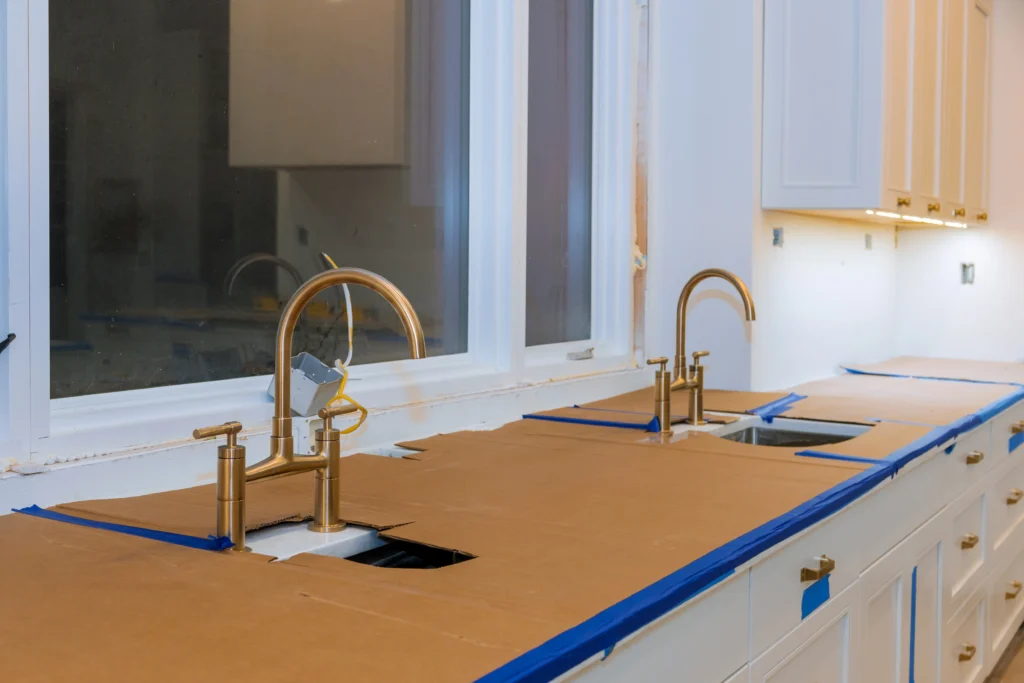
Painting countertops can be messy. Protect nearby areas to avoid damage.
Cover these areas carefully:
- Kitchen cabinets
- Sink edges
- Backsplash
- Floors
- Appliances
Use painter’s tape and plastic sheets to keep paint where it belongs.
Applying Primer
Primer helps the paint bond strongly with the countertop surface.
Steps for applying primer:
- Stir the primer thoroughly.
- Use a foam roller for smooth coverage.
- Apply a thin and even coat.
- Allow the primer to dry completely.
Some surfaces may need two coats of primer. Always check the drying time recommended by the manufacturer.
Painting the Countertop
Once the primer is dry, you can start painting.
Apply the First Coat
Use a foam roller or small brush to apply the paint.
Work in small sections and keep the coats thin. Thick coats can cause uneven texture.
Allow Proper Drying Time
Let the first coat dry fully before applying another layer. Drying times vary depending on the paint type.
Apply Additional Coats
Most countertop painting projects require two or three coats.
Each coat improves color depth and durability.
Creating Decorative Finishes
Some homeowners like to create decorative effects instead of plain colors.
Popular countertop painting styles include:
Marble Effect
This style uses white or light paint as the base and thin gray lines to imitate marble veins.
Granite Style
Multiple colors are sponged or speckled onto the surface to create a stone like appearance.
Solid Color Finish
Simple solid colors such as white, black, gray, or beige create a modern look.
Decorative finishes require patience but can produce impressive results.
Sealing the Countertop
After painting, sealing is essential for durability.
A clear protective topcoat protects the surface from:
- Water
- Food spills
- Scratches
- Cleaning chemicals
Common sealing options include:
- Polyurethane
- Epoxy resin
- Acrylic topcoat
Epoxy coatings are especially popular because they create a strong glossy surface.
Apply two or more coats according to the instructions.
Drying and Curing Time
Even after the paint feels dry, it may still need time to cure.
Typical curing times:
- Light use after 24 to 48 hours
- Full curing after 5 to 7 days
During this time avoid heavy use, cutting, or placing hot items on the countertop.
Tips for Long Lasting Painted Countertops
If you want your painted countertop to last longer, follow these simple habits.
Use Cutting Boards
Never cut directly on painted surfaces.
Avoid Direct Heat
Always place hot pots and pans on heat resistant pads.
Clean Gently
Use mild soap and soft cloths. Avoid harsh scrubbers.
Fix Small Chips Quickly
Touch up small damaged areas before they spread.
Avoid Dragging Heavy Objects
Dragging appliances or heavy items can scratch the paint.
Common Mistakes to Avoid
Many countertop painting problems happen because of simple mistakes.
Avoid these issues:
- Skipping sanding
- Not cleaning grease properly
- Applying paint too thick
- Rushing drying time
- Using low quality paint
- Skipping the protective topcoat
Taking your time during preparation will give much better results.
How Long Do Painted Countertops Last?
The lifespan of painted countertops depends on several factors. On average they last between three to five years with proper care.
High quality paint systems and epoxy coatings can sometimes last even longer. Regular maintenance and gentle use help extend the life of the finish.
Cost of Painting Kitchen Countertops
Painting countertops is one of the most budget friendly kitchen upgrades.
Typical costs include:
- Paint or kit: $50 to $200
- Sandpaper and supplies: $20 to $50
- Sealant or epoxy: $40 to $100
Total DIY cost usually ranges between $100 and $300, which is far cheaper than installing new countertops.
When You Should Not Paint Countertops
Painting is not always the best option.
You may want to avoid painting if:
- The countertop has deep cracks
- The structure is weak or damaged
- You plan to sell your home soon
- The countertop is high end natural stone
In such cases replacement may be the better long term solution.
Is Painting Kitchen Countertops Worth It?
For many homeowners, painting countertops is a practical solution. It can improve the appearance of the kitchen quickly without a large investment.
It works best as a temporary or medium term upgrade while saving for a full renovation.
If done carefully with good materials, painted countertops can look attractive and stay functional for several years.
Frequently Asked Questions
Can I paint my kitchen countertops without sanding them first?
It is possible to paint countertops without sanding if you use a strong bonding primer made for glossy surfaces. However, sanding is usually recommended because it helps the paint stick better and reduces the chances of peeling later.
What type of paint works best for kitchen countertops?
The best options are epoxy paint, acrylic countertop paint, or special countertop paint kits. These types of paint are designed to handle moisture, stains, and regular kitchen use better than normal wall paint.
Can i paint my kitchen countertop around the sink without removing it?
Yes, you can paint around the sink if removing it is difficult. Carefully cover the sink edges with painter’s tape to protect them. Removing the sink can give a cleaner result, but it is not always necessary.
Will painted countertops look fake?
Painted countertops do not always look fake if the process is done carefully. Using techniques such as marble veining or stone effects can create a more natural and realistic appearance.
Renters should check their lease agreement before painting countertops.
Yes, most countertops are painted while they are still installed in the kitchen. You just need to protect nearby cabinets, walls, appliances, and floors with tape and drop cloths.
How do I fix chips or scratches on a painted countertop?
To repair small chips or scratches, lightly sand the damaged area and apply a small amount of matching paint. After it dries, add a clear topcoat to seal and blend the repair with the rest of the surface.
Is it safe to prepare food directly on painted countertops?
It is better not to prepare food directly on painted countertops. Using cutting boards protects the surface from scratches and keeps food preparation more hygienic.
Can i paint my kitchen countertop again later to change the color?
Yes, painted countertops can be repainted later. You will need to clean the surface, sand it lightly, apply primer again, and then paint the new color.
Do painted countertops become sticky or yellow over time?
If low quality paint or sealants are used, the surface may yellow or become slightly sticky over time. Using high quality countertop paint and a durable protective topcoat helps prevent this issue.
Can renters paint kitchen countertops?
Renters should check their lease agreement before painting countertops. Some landlords do not allow permanent changes. If permission is given, renters should choose methods that can be reversed or easily restored later.
Conclusion
So, can you paint kitchen countertops? Yes, you absolutely can. With proper preparation, the right materials, and patience during the process, painting can give your kitchen a fresh and updated look.
The key steps are cleaning, sanding, priming, painting, and sealing. Each step plays an important role in creating a durable surface that can handle everyday kitchen use.
While painted countertops are not as strong as stone or quartz, they are an affordable way to refresh an older kitchen. Many homeowners choose this option to extend the life of their countertops before committing to a full renovation.
If you enjoy DIY projects and want to improve your kitchen on a budget, painting your countertop can be a rewarding project that transforms the entire space.