9 Types of Kitchen Layouts: A Complete Guide to Choosing the Right Design

Table of Contents

The kitchen is one of the most important spaces in any home. It is where meals are prepared, conversations happen, and families often spend quality time together. A well-planned kitchen can make cooking easier, improve storage, and create a comfortable environment for daily life. That is why choosing the right kitchen layout is very important.

Kitchen layout means the way cabinets, appliances, counters, and work areas are arranged in the kitchen. A smart layout helps you move smoothly between the sink, stove, and refrigerator. It also uses available space in the best possible way.

There is no single perfect kitchen layout for every home. The best option depends on room size, budget, lifestyle, storage needs, and personal style. Some layouts work better in small apartments, while others are ideal for large homes with open spaces.

In this blog, we will explain the 9 types of kitchen layouts in simple words. We will also discuss their benefits, limitations, and where they work best. By the end, you will have a clear idea of which kitchen layout suits your home.

One Wall Kitchen Layout

1. One Wall Kitchen Layout

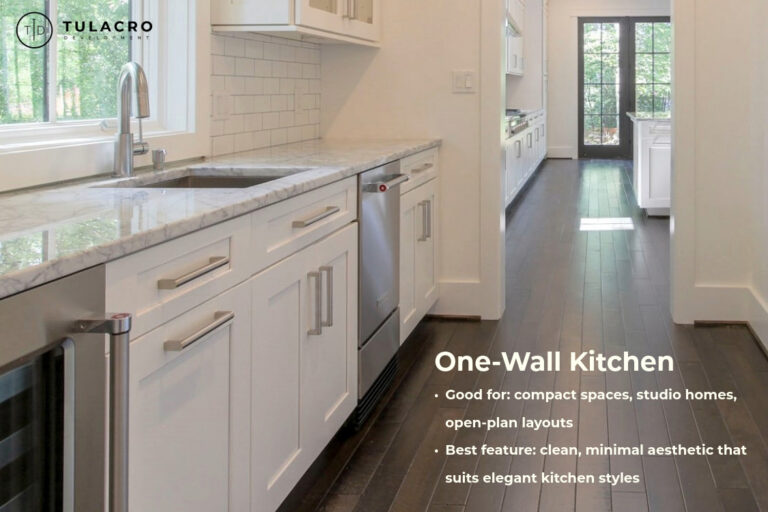
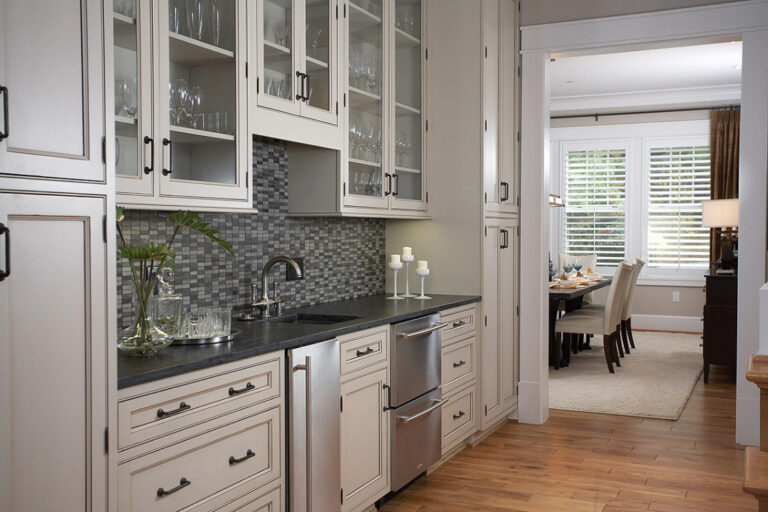
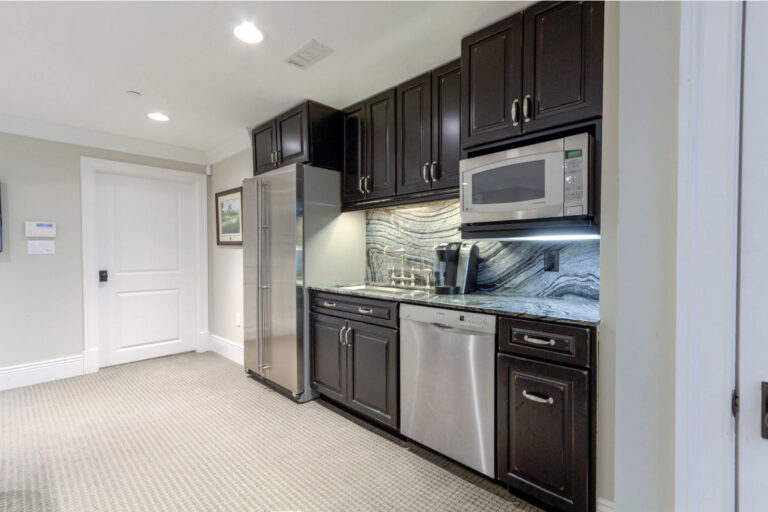
A one wall kitchen places all cabinets, appliances, and counters along a single wall. It is one of the simplest kitchen designs.

Best For:

  • Small apartments
  • Studio homes
  • Compact spaces

Advantages:

  • Saves space
  • Lower renovation cost
  • Easy to clean
  • Works well in open-plan homes

Disadvantages:

  • Limited counter space
  • Less storage compared to bigger layouts
  • Multiple people may find it crowded

Why Choose It:

This layout is ideal for homes where space is limited. Modern one wall kitchens often use tall cabinets and smart storage solutions to maximize functionality.

Galley Kitchen Layout

2. Galley Kitchen Layout

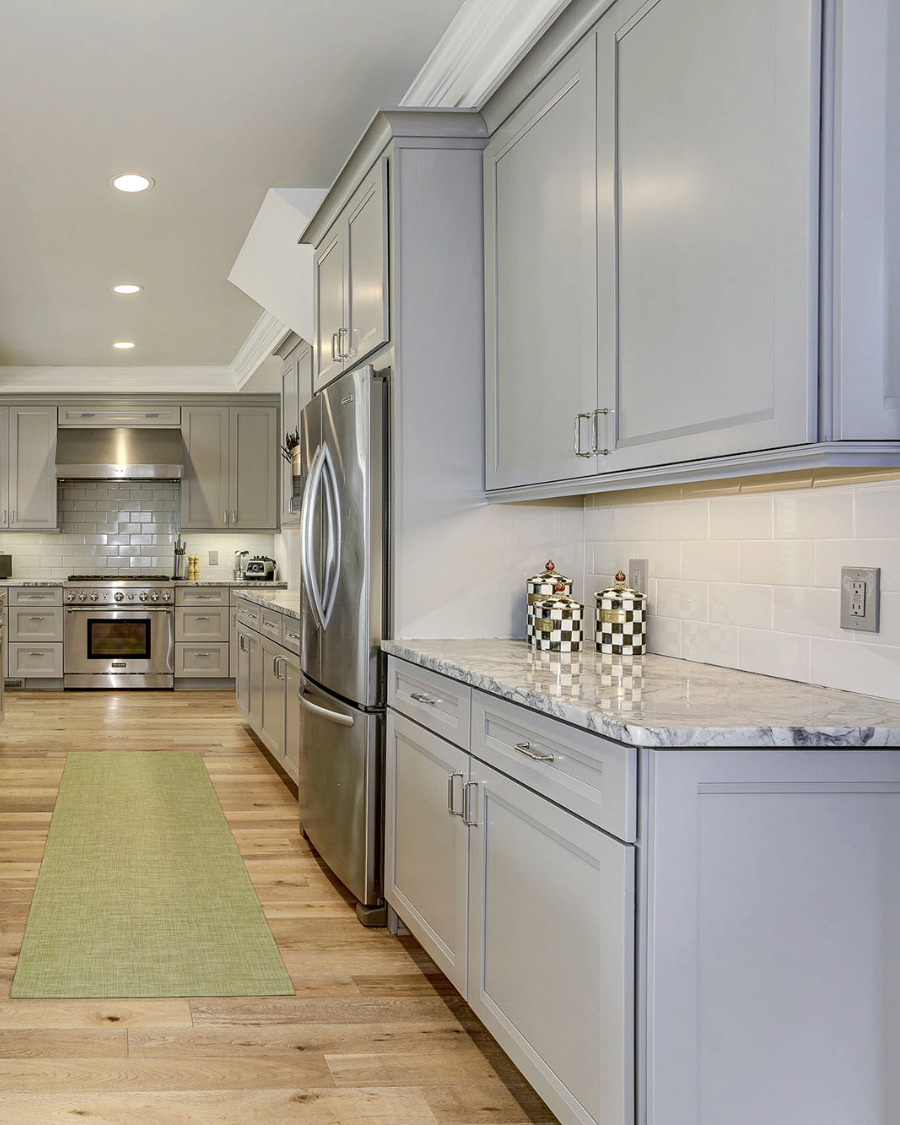
A galley kitchen has two parallel counters facing each other with a walkway in the middle. It is common in apartments and small to medium homes.

Best For:

  • Narrow spaces
  • Apartments
  • Efficient cooking setups

Advantages:

  • Excellent workflow
  • Good use of space
  • Plenty of cabinets on both sides
  • Ideal for serious cooking

Disadvantages:

  • Can feel narrow or closed
  • Not ideal for many people at once
  • Limited room for dining

Why Choose It:

The galley kitchen is highly practical because everything is within easy reach. Many chefs prefer this style because it reduces unnecessary movement.

L-Shaped Kitchen Layout

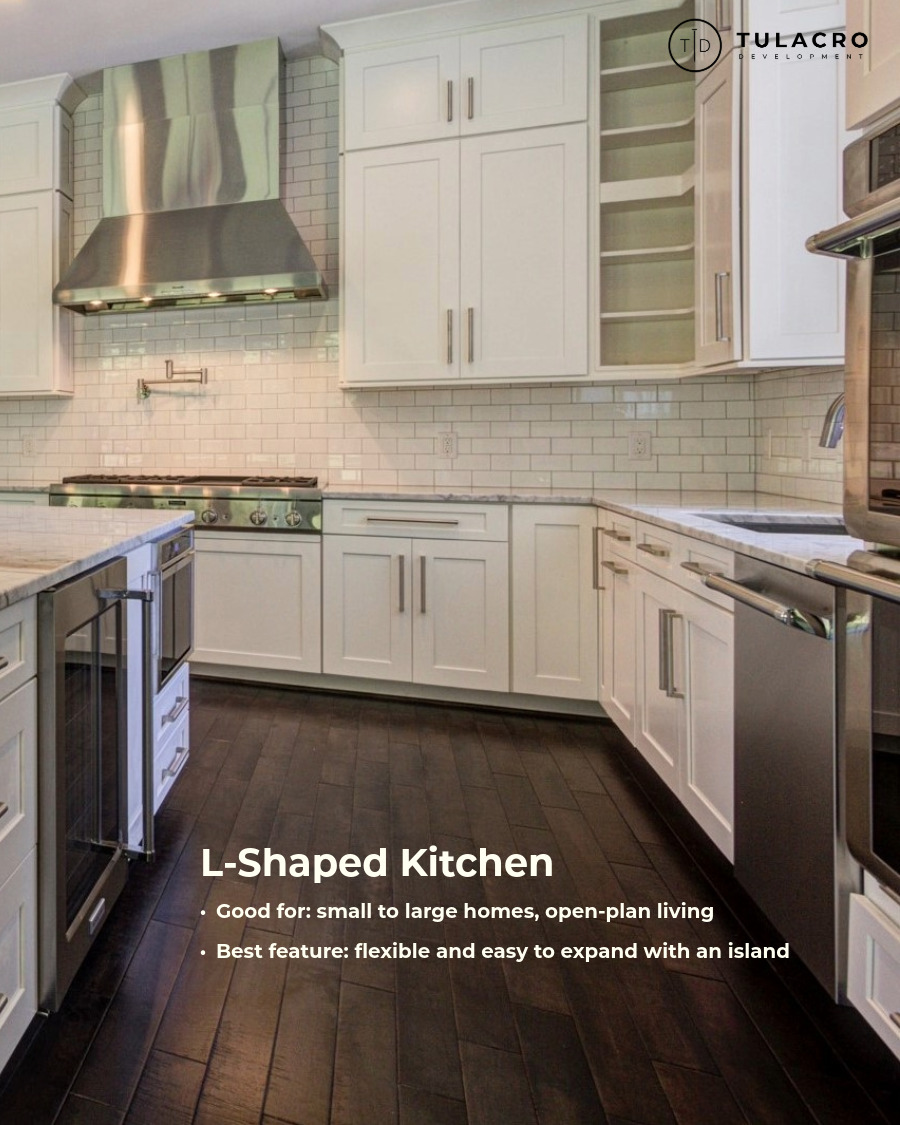
3. L-Shaped Kitchen Layout

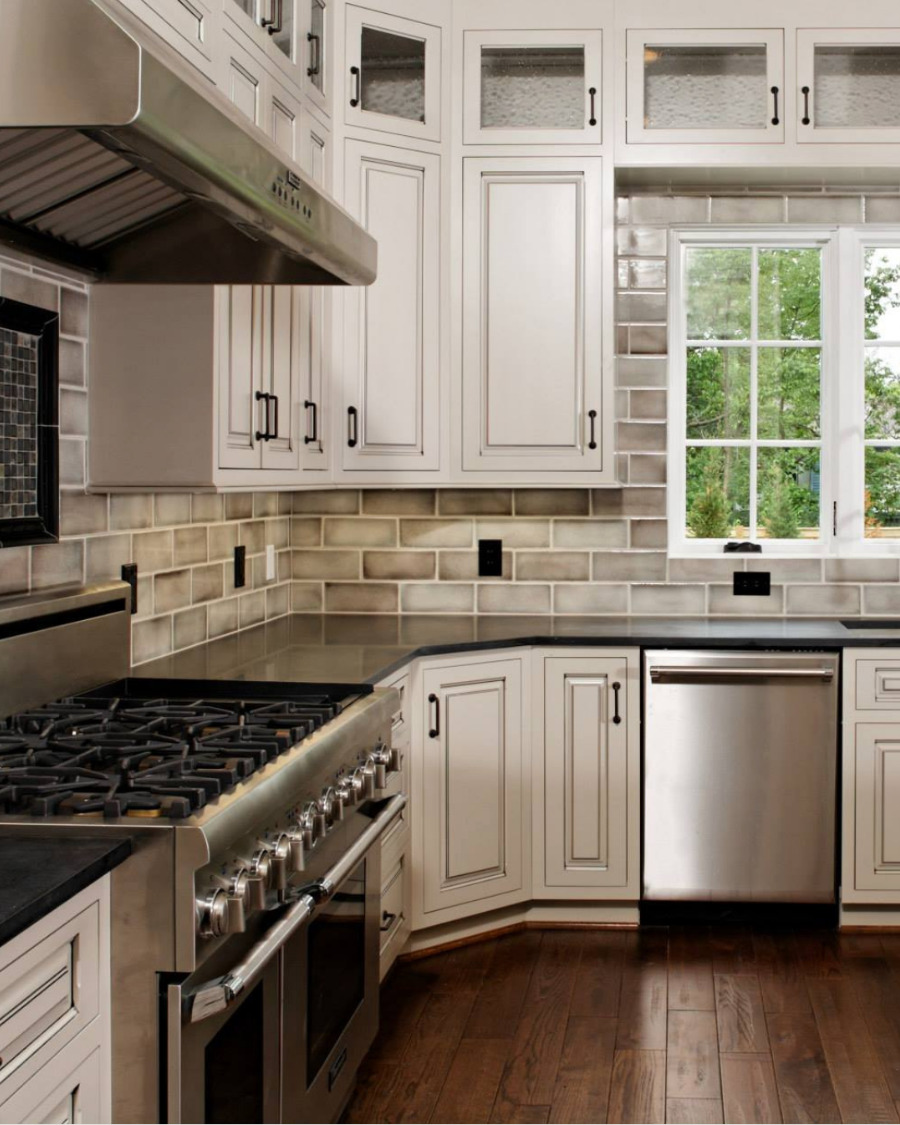
An L-shaped kitchen uses two connected walls that form the shape of the letter L. Cabinets and counters are placed along these two sides.

Best For:

  • Small to medium homes
  • Open-plan living spaces
  • Families

Advantages:

  • Open and spacious feel
  • Good corner usage
  • Flexible design
  • Allows room for dining table or island

Disadvantages:

  • Corner cabinets may need special fittings
  • Large L-shape may require more walking

Why Choose It:

This is one of the most popular kitchen layouts because it balances efficiency and openness. It is suitable for both modern and traditional homes.

U-Shaped Kitchen Layout

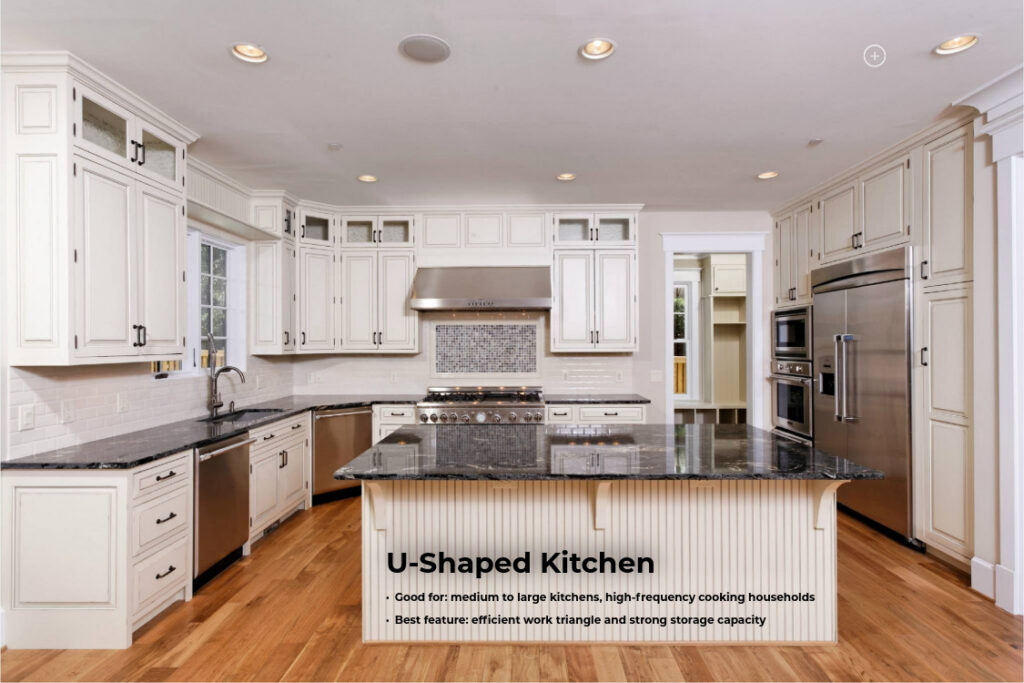
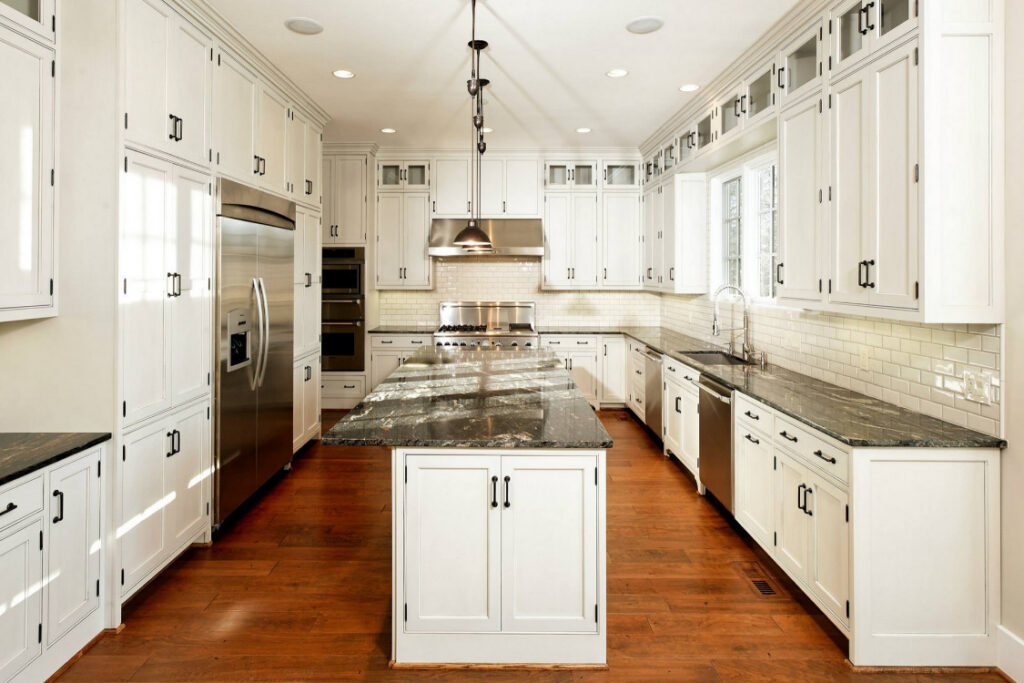
4. U-Shaped Kitchen Layout

A U-shaped kitchen uses three connected walls or sections of cabinets, forming the shape of the letter U.

Best For:

  • Medium to large kitchens
  • Homes needing lots of storage
  • Frequent cooking households

Advantages:

  • Excellent storage capacity
  • Plenty of counter space
  • Efficient work triangle
  • Separate cooking zones possible

Disadvantages:

  • Can feel enclosed in smaller rooms
  • More expensive due to more cabinets
  • Needs enough floor space

Why Choose It:

If you cook often and need more storage, a U-shaped kitchen is a strong choice. It creates an efficient and practical workspace.

Island Kitchen Layout

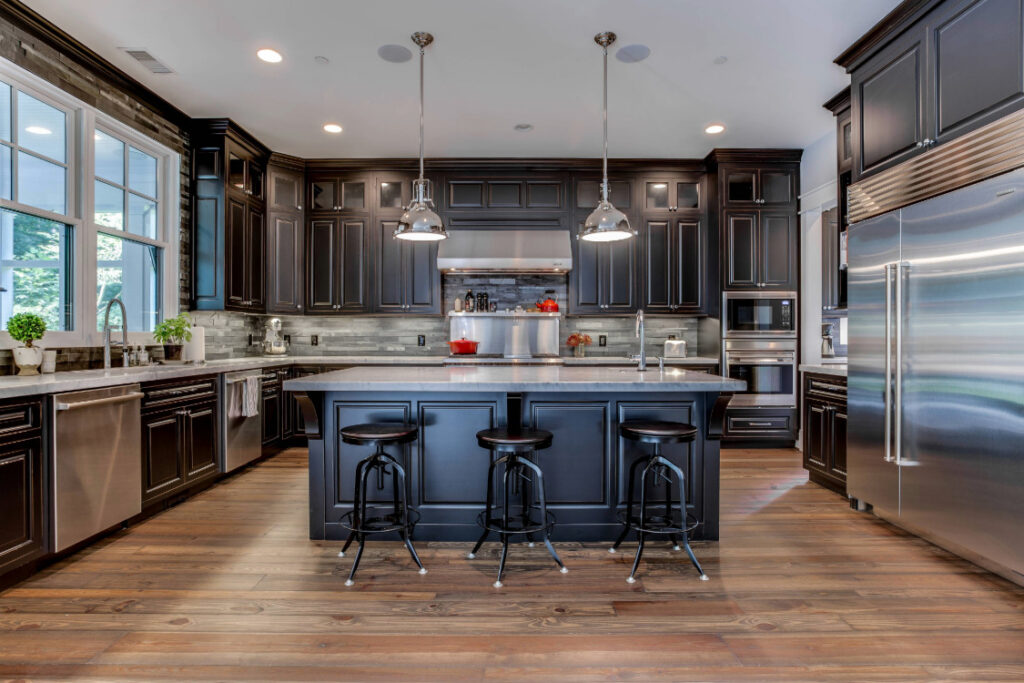
5. Island Kitchen Layout

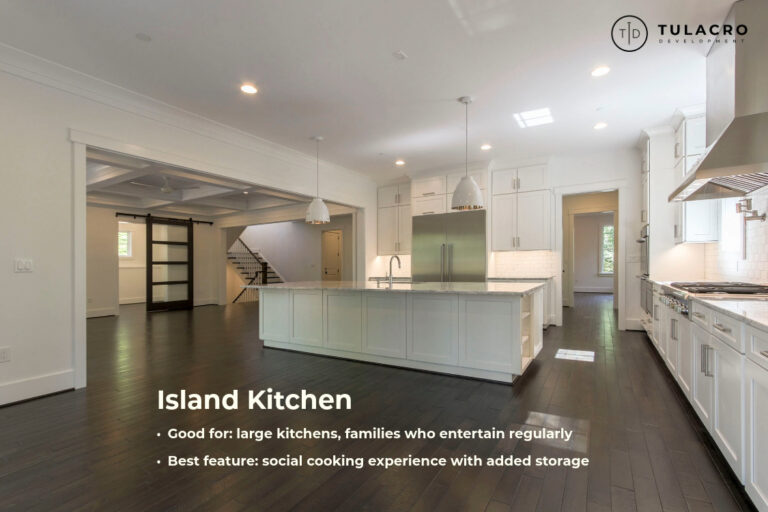
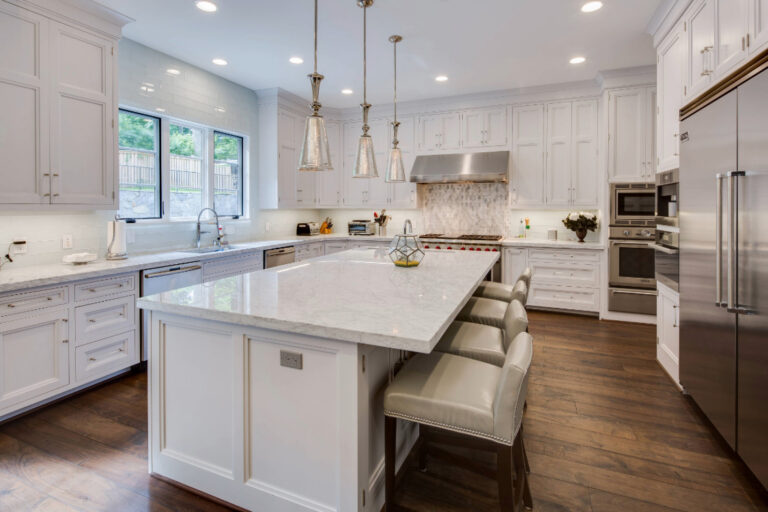
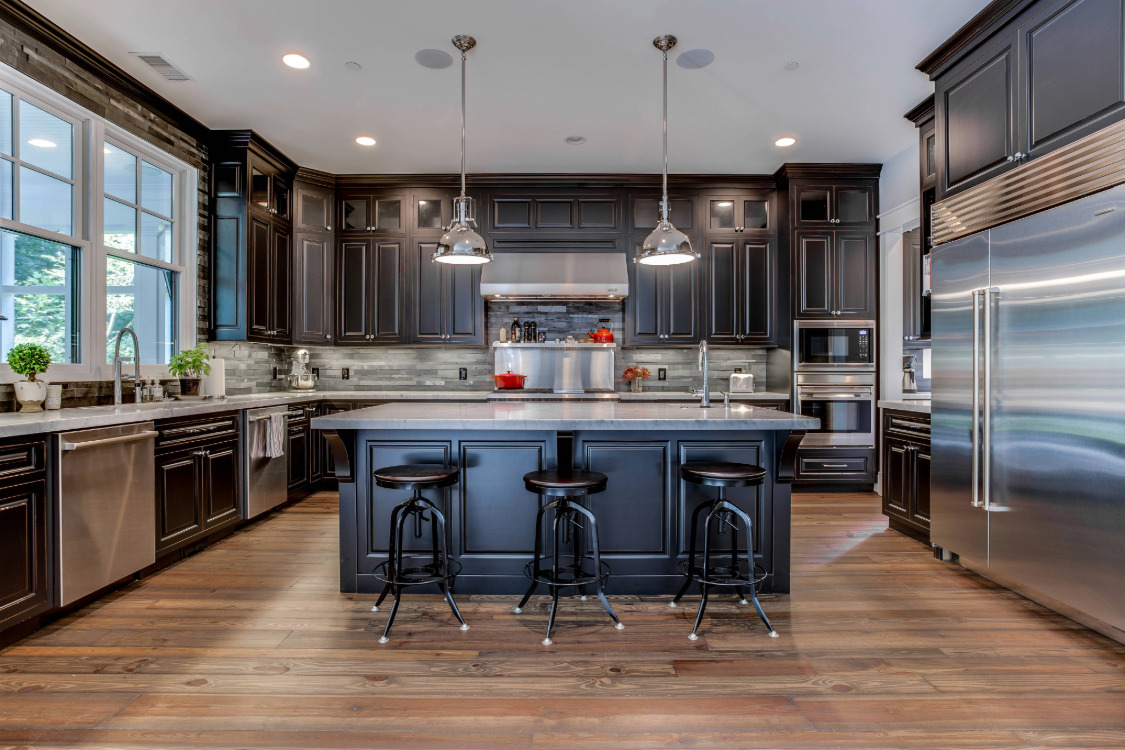
An island kitchen includes a central freestanding counter or cabinet unit placed in the middle of the kitchen. It is usually combined with L-shaped or U-shaped layouts.

Best For:

  • Large kitchens
  • Open-plan homes
  • Families who entertain guests

Advantages:

  • Extra counter space
  • More storage
  • Casual seating option
  • Social cooking experience

Disadvantages:

  • Needs more space
  • Higher cost
  • Poor placement can block movement

Why Choose It:

Kitchen islands are very popular today. They add beauty, function, and a gathering point for family members and guests.

Peninsula Kitchen Layout

6. Peninsula Kitchen Layout

A peninsula kitchen is similar to an island kitchen, but the extra counter is attached to a wall or cabinet instead of standing alone.

Best For:

  • Medium kitchens
  • Homes with less space than required for an island
  • Open kitchens

Advantages:

  • Additional workspace
  • Seating option possible
  • Creates separation between kitchen and living area
  • More affordable than a full island in some cases

Disadvantages:

  • Less movement around compared to an island
  • Can block pathways if poorly planned

Why Choose It:

A peninsula is a smart solution when you want the benefits of an island but do not have enough room for one.

G-Shaped Kitchen Layout

7. G-Shaped Kitchen Layout

A G-shaped kitchen is similar to a U-shaped kitchen but includes an extra attached counter or partial fourth wall, creating a G-like shape.

Best For:

  • Large kitchens
  • Homes needing maximum storage
  • Dedicated cooking spaces

Advantages:

  • Lots of cabinets and counters
  • Great for multiple work zones
  • Strong separation from other rooms

Disadvantages:

  • Can feel crowded
  • Requires more space
  • Higher installation cost

Why Choose It:

If storage and work area are your main priorities, a G-shaped kitchen offers plenty of both.

Open Kitchen Layout

8. Open Kitchen Layout

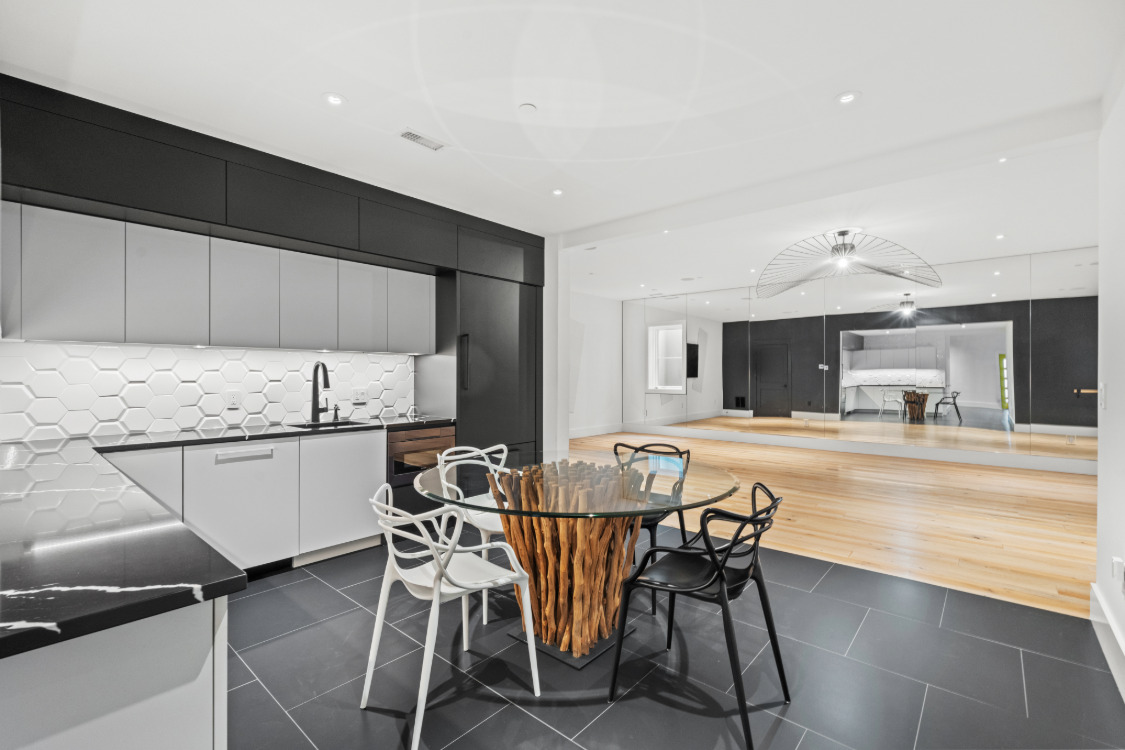
An open kitchen is connected to the dining or living area without full walls separating it. It can use different shapes such as L-shaped, island, or one wall.

Best For:

  • Modern homes
  • Families who like social interaction
  • Apartments and villas

Advantages:

  • Spacious feel
  • Better natural light flow
  • Easy interaction while cooking
  • Stylish modern appearance

Disadvantages:

  • Cooking smells may spread
  • Visible clutter if untidy
  • Noise can travel easily

Why Choose It:

Open kitchens are popular because they create a welcoming and connected home environment.

Parallel Kitchen Layout

9. Parallel Kitchen Layout

A parallel kitchen is very similar to a galley kitchen, but it is often used in modern modular kitchen planning. It features two facing counters with organized zones.

Best For:

  • Urban homes
  • Compact apartments
  • Busy households

Advantages:

  • Smart use of narrow spaces
  • Separate wet and dry zones
  • Efficient movement
  • Good storage potential

Disadvantages:

  • Limited social interaction
  • Needs proper width for comfort

Why Choose It:

This layout is highly popular in city homes because it offers strong functionality in limited space.

How to Choose the Best Kitchen Layout

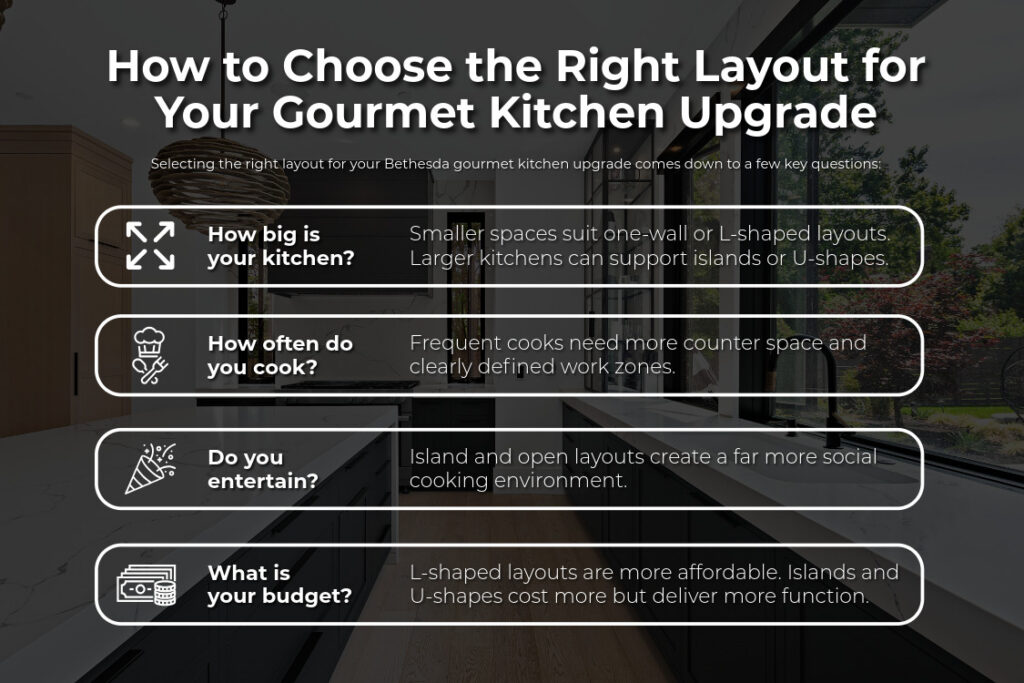
Selecting the right kitchen layout depends on several factors. Here are some important points to consider.

1. Kitchen Size

Small kitchens usually work best with one wall, galley, or parallel layouts. Large kitchens can support islands, U-shapes, or G-shapes.

2. Cooking Habits

If you cook daily and need a workspace, choose U-shaped, galley, or island kitchens.

3. Storage Needs

Need more cabinets and pantry space? U-shaped and G-shaped kitchens are excellent options.

4. Family Lifestyle

For social homes, open kitchens with islands or peninsulas work very well.

5. Budget

Simple layouts like one wall or galley are often more affordable than island or G-shaped kitchens.

Importance of the Work Triangle

A key concept in kitchen planning is the work triangle. This means the relationship between:

  • Sink
  • Stove
  • Refrigerator

These three areas should be placed in a way that allows smooth movement. If the distance is too large, cooking becomes tiring. If too close, the space feels crowded.

Most good kitchen layouts naturally support an efficient work triangle.

Modern Kitchen Design Tips

No matter which layout you choose, these tips can improve your kitchen:

Use Vertical Storage

Tall cabinets and shelves help maximize space.

Add Good Lighting

Use task lights under cabinets and bright ceiling lights.

Choose Durable Materials

Countertops, cabinets, and flooring should handle daily use.

Keep Ventilation Strong

Use chimneys, exhaust fans, or windows.

Focus on Function First

A beautiful kitchen should also be practical.

Common Mistakes to Avoid

When planning a kitchen, avoid these mistakes:

  • Too little counter space
  • Poor lighting
  • Ignoring storage needs
  • Blocking movement paths
  • Wrong appliance placement
  • Choosing style over function

Good planning prevents future problems.

Best Kitchen Layouts for Small Homes

If your home has limited space, consider:

  • One Wall Kitchen
  • Galley Kitchen
  • Parallel Kitchen
  • Small L-Shaped Kitchen

These layouts use space efficiently without feeling too crowded.

Best Kitchen Layouts for Large Homes

For bigger homes, these layouts are ideal:

  • Island Kitchen
  • U-Shaped Kitchen
  • G-Shaped Kitchen
  • Open Kitchen with Island

They offer more comfort, storage, and social space.

Which Kitchen Layout is Most Popular?

Today, the most popular kitchen layouts are:

  1. L-Shaped Kitchen
  2. Island Kitchen
  3. Open Kitchen Layout
  4. Parallel Kitchen

These layouts suit modern lifestyles and different home sizes.

FAQs

1. Which kitchen layout is best according to Vastu?

L-shaped or U-shaped kitchens are commonly preferred.

2. How much space is needed for a kitchen island?

At least 3 to 4 feet of clearance on all sides.

3. Which kitchen layout is easiest to maintain?

One wall kitchens are easiest to clean.

4. Can a small kitchen have enough storage?

Yes, with tall cabinets and smart organizers.

5. Which kitchen layout is best for Indian cooking?

Parallel, U-shaped, and L-shaped kitchens work well.

6. Is an open kitchen good for apartments?

Yes, it makes small homes feel bigger.

7. How can I make my kitchen look bigger?

Use light colors, mirrors, and better lighting.

8. Which kitchen layout adds home value?

Open kitchens and modern L-shaped layouts.

9. What are the 9 Types of Kitchen Layouts?

They include one wall, galley, L-shaped, U-shaped, island, peninsula, G-shaped, open, and parallel kitchens.

10. Modular or custom kitchen which is better?

Modular is faster, custom is more flexible.

Conclusion

Choosing the right kitchen layout can improve your daily life in many ways. A smart design saves time, increases comfort, and adds value to your home. Whether you have a small apartment or a large family home, there is a layout that fits your needs.

The 9 main types of kitchen layouts are:

  1. One Wall Kitchen
  2. Galley Kitchen
  3. L-Shaped Kitchen
  4. U-Shaped Kitchen
  5. Island Kitchen
  6. Peninsula Kitchen
  7. G-Shaped Kitchen
  8. Open Kitchen Layout
  9. Parallel Kitchen

Each layout has its own strengths. Think about your available space, cooking habits, storage needs, and budget before making a decision.

A kitchen is more than a cooking area. It is the heart of the home. With the right layout, it can become one of the most useful and enjoyable spaces in your house.

Logo

Tulacro Development is an award-winning builder and a trusted name in luxury home building in Montgomery County, Maryland, and the surrounding areas for over 20 years. Known for our timeless design, superior quality, and cutting-edge technology, each home we build is not just a place to live, but a sanctuary for your family and your future. 

Ready to bring your dream project to life?

READY TO TRANSFORM YOUR SPACE? LET’S BUILD IT