Building a new house is one of the most exciting and important decisions you can make. It is not just about putting up walls and a roof. It is about creating a place where you will live, grow, and build memories for years to come. At the same time, it is also a major financial commitment, so understanding the cost is very important.
Many people start with a simple question: how much will it cost to build a house? The answer is not fixed because every home is different. Costs can change based on size, materials, labor, design, and many other factors. However, with the right information, you can get a clear idea and plan your budget wisely.
This guide explains how much does it cost to build a new house in simple terms so even beginners can easily understand how construction costs work
Quick Summary
- Average cost is $150 to $400 per square foot
- Total cost is around $300,000 to $500,000
- Land cost is separate
- Materials and design greatly affect cost
- Always keep extra budget for hidden expenses
Average Cost to Build a House
Let us begin with a general estimate so you have a starting point.
Most new homes cost between $150 and $400 per square foot. The average total cost for building a house usually falls between $300,000 and $500,000.
Here are a few examples to make it easier:
- A 1,500 square foot home may cost between $225,000 and $600,000
- A 2,000 square foot home may cost between $300,000 and $800,000
- A 3,000 square foot home may cost between $450,000 and $1,200,000 or more
These are average numbers. Your actual cost could be lower or higher depending on your choices.
What Does Cost Per Square Foot Mean
Builders often talk about cost per square foot. This is simply the total construction cost divided by the size of the house.
For example, if your house is 2,000 square feet and costs $400,000, then your cost per square foot is $200.
Here is a simple breakdown:
- Basic homes cost about $150 to $200 per square foot
- Standard homes cost about $200 to $300 per square foot
- High end homes cost $300 to $400 or more per square foot
The level of finish and design is what changes the price.
Land Cost Is Not Included
When people talk about construction costs, they are usually not including land.
You will need to buy land separately, and that can be a large expense.
Land prices depend on location:
- In busy areas, land is very expensive
- In suburban areas, it is more affordable
- In less developed areas, it is cheaper
Sometimes, land can cost as much as or even more than building the house.
Main Factors That Affect New House Construction Cost
Several important factors decide how much you will spend on your home.
Size of the House
The bigger the house, the higher the cost. More space means more materials, more labor, and more time.
However, larger homes can sometimes have a slightly lower cost per square foot because certain costs are fixed.
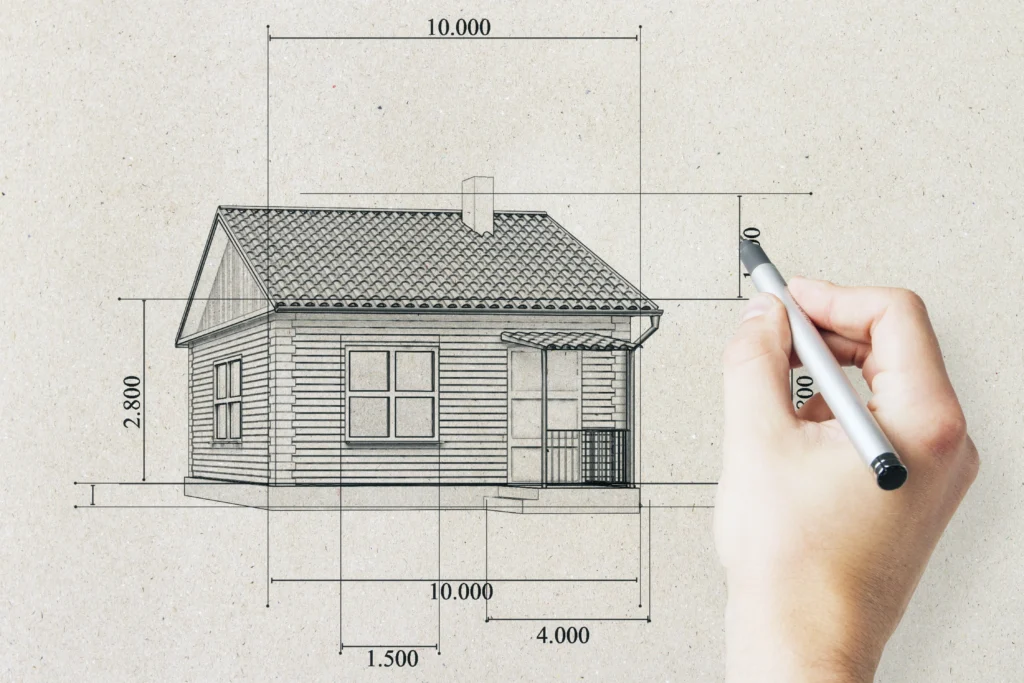
The design of your house plays a big role in cost.
Simple designs are cheaper. Complex designs are more expensive.
For example:
- A simple rectangular house is more affordable
- A house with curves, large windows, or unique shapes will cost more
Quality of Materials
Material choices have a huge impact on your total cost.
Some examples:
- Basic tiles are cheaper than luxury tiles
- Standard kitchen cabinets cost less than custom cabinets
- Regular paint costs less than designer finishes
Choosing high quality materials will increase your budget.
Labor Costs
Labor is one of the biggest parts of construction cost.
You will need skilled workers like:
- Masons
- Electricians
- Plumbers
- Carpenters
The cost of labor depends on experience and demand.
Permits and Approvals
Before construction begins, you need permissions.
These may include:
- Building permits
- Inspection fees
- Utility approvals
These costs may seem small, but they add up.
Detailed Breakdown of New House Construction Costs
To understand better, let us look at how your money is usually divided.
Site Preparation and Foundation
This is the first step.
It includes:
- Clearing the land
- Leveling the ground
- Building the foundation
This usually takes about 10 to 15 percent of your budget.
Framing
Framing is the skeleton of your house.
It includes:
- Walls
- Floors
- Roof structure
This can cost about 15 to 20 percent.
Roofing
The roof protects your home from weather.
It includes materials and labor. This usually costs about 5 to 10 percent.
Plumbing and Electrical Systems
These are essential systems inside the house.
They include:
- Pipes
- Wiring
- Fixtures
This part usually costs about 10 to 15 percent.
Interior Finishing
This is one of the most expensive parts.
It includes:
- Flooring
- Painting
- Cabinets
- Doors
This can take about 25 to 35 percent of your budget.
Exterior Work
Exterior work improves the look and usability of your home.
It includes:
- Driveway
- Landscaping
- Exterior walls
This usually costs about 10 to 15 percent.
Hidden Cost of Building A New House
Many people forget about extra costs that are not obvious at the beginning.
These include:
- Architect or design fees
- Temporary living costs during construction
- Utility connections
- Insurance
- Unexpected repairs
It is always smart to keep an extra 10 to 20 percent of your budget for these costs.
Cost of Hiring Professionals For Building A New House
Building a house requires professionals.
Architect
An architect designs your home and creates plans.
Typical cost is about 5 to 10 percent of construction cost.
Contractor
A contractor manages the construction work.
They handle workers, materials, and timelines.
Their fee is usually about 10 to 20 percent.
Interior Designer
An interior designer helps you choose finishes and furniture.
This is optional but adds extra cost.
Custom Home vs Pre Designed Home
You can choose between two main options.
Custom Home
- Fully designed according to your needs
- More flexibility
- Higher cost
Pre Designed Home
- Based on existing plans
- Faster to build
- More affordable
Your choice will affect your total cost.
Ways to Reduce Building Costs
If you want to save money, here are some useful tips.
Choose a Simple Design
Simple shapes and layouts cost less.
Use Standard Materials
Custom materials are expensive. Standard options can save money.
Plan Ahead
Good planning prevents mistakes and delays.
Compare Contractors
Always get multiple quotes before choosing a contractor.
Avoid Unnecessary Features
Luxury features can quickly increase your cost.
Timeline of Building A New House
Building a house takes time, usually between 6 and 12 months.
Delays can increase costs because:
- Labor costs may rise
- Material prices may change
- Additional expenses may occur
Staying on schedule helps control costs.
Is It Cheaper to Build or Buy A House
This is a common question.
Building a house gives you full control over design and quality. However, it can be more expensive and time consuming.
Buying a house is faster and sometimes cheaper, but it may not meet all your needs.
Both options have advantages, so the best choice depends on your situation.
Importance of Budget Planning In New House Construction
Budget planning is the most important part of building a house.
You should:
- Decide your total budget early
- Divide your budget into categories
- Track your spending regularly
Proper planning helps avoid financial stress.
Don’t Make These New Construction Mistakes
Here are some mistakes people often make:
- Not setting a clear budget
- Choosing design over practicality
- Ignoring hidden costs
- Hiring inexperienced contractors
- Making changes during construction
Avoiding these mistakes can save you a lot of money.
Financing Your Home Construction
Many people do not pay the full cost from savings. They use loans. Construction loans work differently from regular home loans.
Money is given in stages as construction progresses.
You should:
- Check interest rates
- Understand repayment terms
- Plan your monthly payments
Long Term Value of Building a House
Building a house is not just a cost. It is also an investment.
Benefits include:
- You get a home designed for your needs
- New homes require less maintenance
- Energy efficient homes save money over time
- Property value may increase in the future
Frequently Asked Questions About Building a New House
1. How much money should I have saved before starting construction?
It is generally recommended to have at least 20% to 30% of the total estimated cost saved before starting. This helps cover down payments, unexpected expenses, and gives financial security during the project.
2. Can I build a house in phases to reduce upfront cost?
Yes, some people build in phases, such as completing the structure first and finishing interiors later. However, this can sometimes increase the total cost over time due to price changes and repeated labor work.
3. How do weather conditions affect construction costs?
Weather can delay construction, especially rain, snow, or extreme heat. Delays can increase labor costs and may also affect material quality if not managed properly.
4. What is the difference between a fixed price contract and a cost plus contract?
A fixed price contract means you agree on a total price before construction starts. A cost plus contract means you pay for actual costs plus a contractor fee. Fixed price gives more certainty, while cost plus offers flexibility but can increase expenses.
5. Do energy efficient homes cost more to build?
Yes, energy efficient homes may cost more upfront due to better insulation, windows, and systems. However, they can save money in the long run through lower utility bills.
6. How can I estimate the cost before hiring a contractor?
You can use online cost calculators, consult with local builders, or speak with an architect to get a rough estimate. It is always good to compare multiple estimates to get a realistic idea.
7. Is it cheaper to build a one story or a two story house?
A one story home is usually cheaper to build per project, but a two story home can be more cost efficient per square foot since it uses less land and foundation.
8. How often do construction costs change?
Construction costs can change frequently due to material prices, labor demand, and market conditions. Prices can rise during high demand periods.
9. Can I make changes during construction?
Yes, but changes during construction can increase costs and delay the project. It is always better to finalize your design before starting.
10. What should I check before choosing a contractor?
You should check their experience, past projects, reviews, licenses, and contracts carefully. A reliable contractor can make a big difference in both cost and quality.
Conclusion
Building a new house is a big journey that requires careful planning, smart decisions, and a clear understanding of costs.
The total cost depends on many factors like size, materials, design, and labor. While average costs give a rough idea, your personal choices will decide the final amount.
Always remember to:
- Plan your budget carefully
- Keep extra money for unexpected costs
- Choose reliable professionals
- Avoid rushing decisions
With the right approach, building a house can be a smooth and rewarding experience.