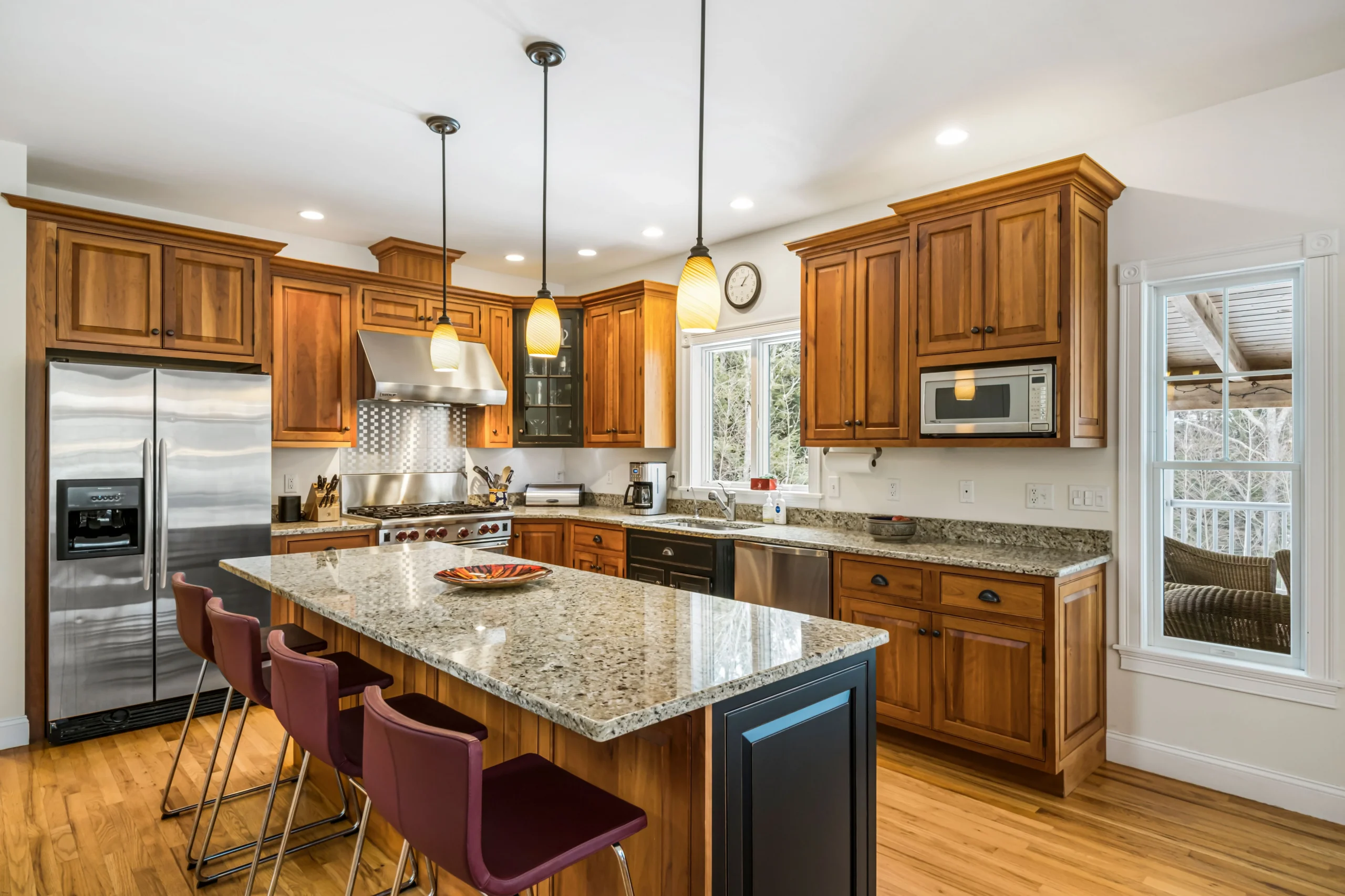
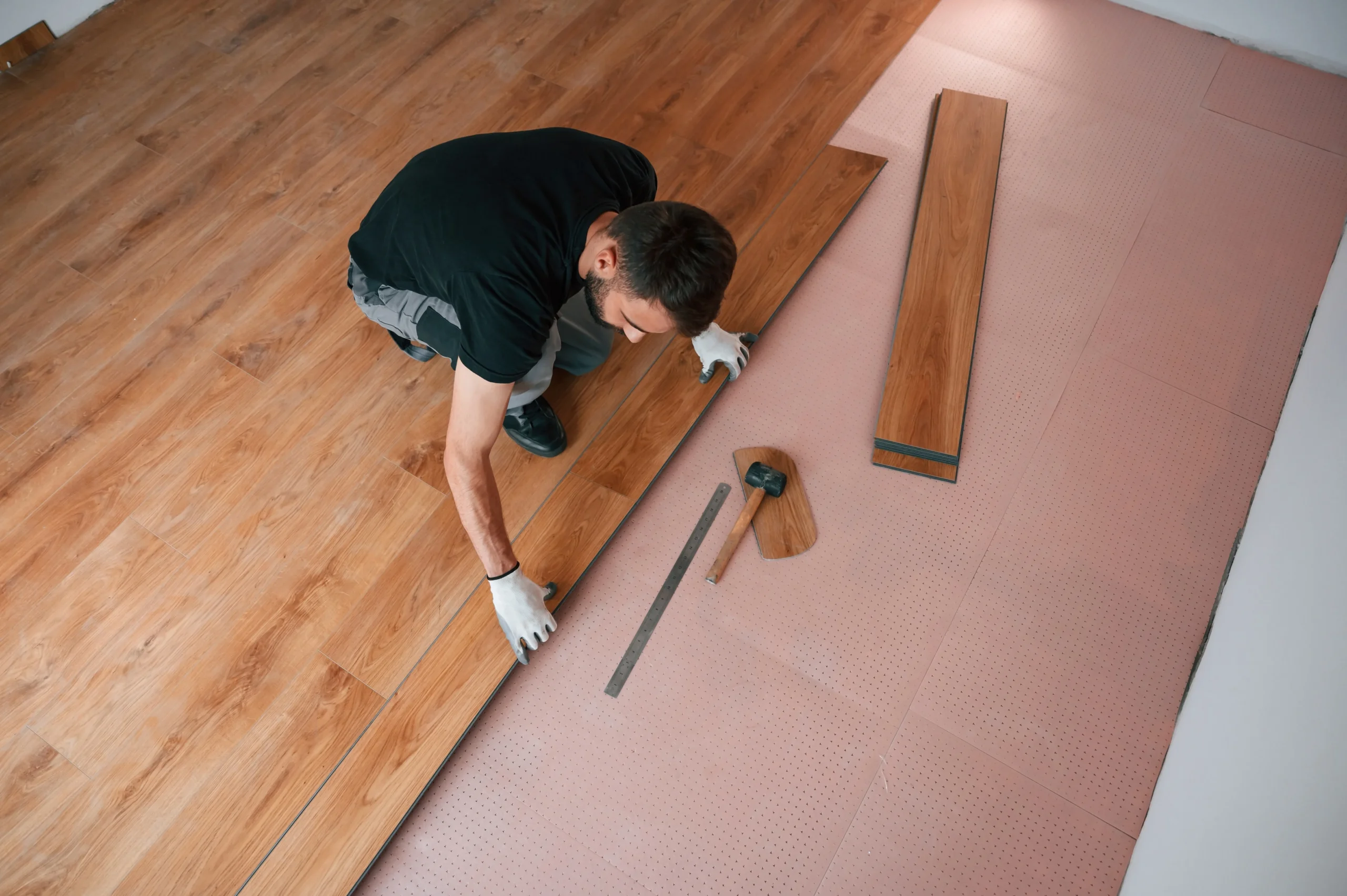
Replacing kitchen countertops is one of the most noticeable upgrades you can make in your home. Countertops take up a large visual area in the kitchen, and they also handle daily wear from cooking, cleaning, and food preparation. When they start to look outdated, scratched, or damaged, many homeowners consider replacing them.
But how much does it actually cost to replace kitchen countertops?
The total price depends on the material you choose, the size of your kitchen, labor costs in your area, and any additional upgrades like a new sink or backsplash. In this guide, we will break down the costs in simple language so you can plan your budget with confidence.
Average Cost to Replace Kitchen Countertops
On average, homeowners spend between $1,500 and $5,500 to replace kitchen countertops.
For a standard kitchen, most projects fall around $3,000 to $4,000.
However, the final cost can go lower or higher depending on:
- Type of countertop material
- Total square footage
- Installation complexity
- Removal of old countertops
- Custom edge designs
- Sink and appliance cutouts
A small kitchen with laminate countertops may cost under $1,500. A large kitchen with premium stone can easily exceed $8,000.
Countertop Cost by Material (Installed)
Material is the biggest factor affecting price. Below is a clear comparison table to help you understand typical installed costs.
| Countertop Material | Average Cost Per Square Foot (Installed) | Overall Price Range for Average Kitchen |
| Laminate | $20 to $50 | $800 to $2,000 |
| Butcher Block | $40 to $100 | $1,500 to $4,000 |
| Granite | $40 to $100 | $2,000 to $5,000 |
| Quartz | $50 to $120 | $2,500 to $6,000 |
| Marble | $50 to $150 | $3,000 to $7,000 |
| Quartzite | $60 to $200 | $4,000 to $8,000+ |
These estimates usually include materials and professional installation.
Cost Breakdown by Material
Let us look at each option in simple terms.
Laminate Countertops
Laminate is the most affordable choice. It is made from layers of plastic bonded to particleboard.
Cost: $20 to $50 per square foot installed
Why people choose laminate:
- Budget friendly
- Many color and pattern options
- Easy to clean
Downside:
- Can scratch or chip
- Not very heat resistant
- Lower resale value
Laminate works well for rental properties or budget remodels.
Butcher Block Countertops
The butcher block is made from solid wood strips glued together.
Cost: $40 to $100 per square foot installed
Why people choose it:
- Warm and natural look
- Good for food prep
- Can be sanded and refinished
Downside:
- Needs regular sealing
- Can stain or scratch
- Sensitive to water damage
It works well in farmhouse or cozy kitchen designs.
Granite Countertops
Granite is a natural stone and remains very popular.
Cost: $40 to $100 per square foot installed
Why people choose granite:
- Durable and strong
- Heat resistant
- Unique natural patterns
Downside:
- Requires sealing
- Can be heavy
- Price depends on stone grade
Granite adds long term value to your home.
Quartz Countertops
Quartz is engineered stone made from crushed quartz and resin.
Cost: $50 to $120 per square foot installed
Why people choose quartz:
- Very low maintenance
- Does not require sealing
- Highly stain resistant
- Many color choices
Downside:
- Not as heat resistant as granite
- Slightly more expensive
Quartz is one of the most popular modern choices.
Marble Countertops
Marble is known for its elegant, luxury look.
Cost: $50 to $150 per square foot installed
Why people choose marble:
- Timeless beauty
- Stays cool, good for baking
Downside:
- Stains easily
- Scratches easily
- Needs regular maintenance
Marble is more common in high end kitchens.
Quartzite Countertops
Quartzite is a natural stone that looks like marble but is harder.
Cost: $60 to $200 per square foot installed
Why people choose quartzite:
- Extremely durable
- Heat resistant
- High end appearance
Downside:
- Expensive
- Requires sealing
Quartzite is a premium option.
Labor Costs
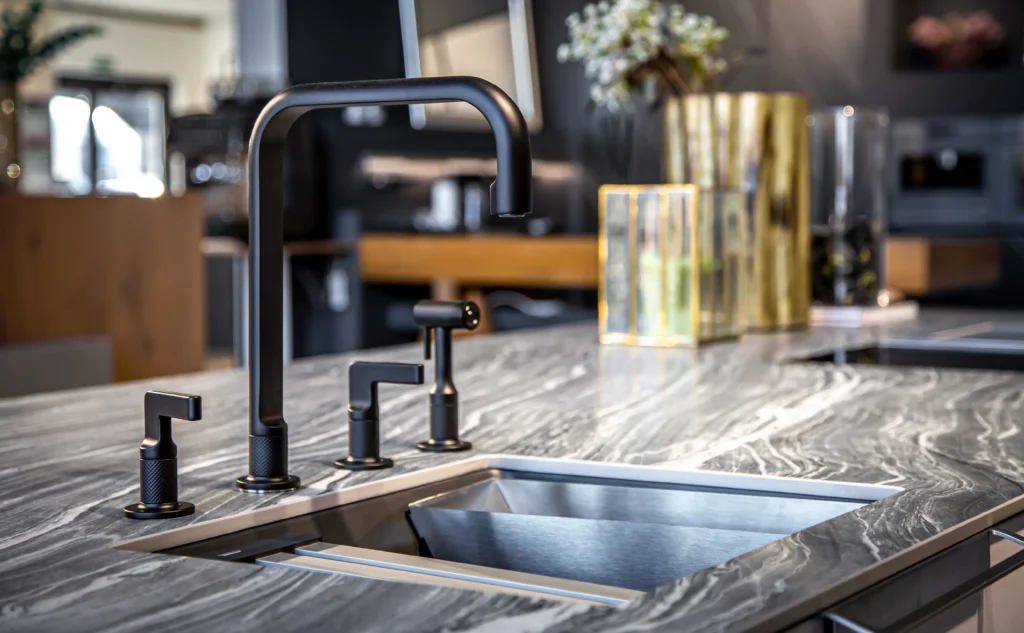
Labor usually makes up 30 to 50 percent of the total project cost.
Installation typically costs:
- $10 to $40 per square foot
Labor prices vary based on:
- Your location
- Complexity of layout
- Number of cutouts
- Custom edge profiles
- Island installation
In large cities, labor costs are usually higher.
Cost to Remove Old Countertops
Before installing new countertops, old ones must be removed.
Typical removal cost:
- $200 to $500
If countertops are glued down or attached to tile backsplashes, removal may cost more.
Some contractors include removal in their quote, so always ask.
Additional Costs to Consider
There are several extra costs that homeowners often overlook.
Sink Installation
- $100 to $400
Upgrading to an under mount sink may increase labor costs.
Plumbing Changes
- $150 to $500
If the sink location changes, plumbing work will increase expenses.
Backsplash Replacement
- $600 to $1,500
Many homeowners update the backsplash when replacing countertops.
Custom Edge Profiles
Basic edges are usually included. Decorative edges may cost:
- $10 to $30 per linear foot
Sealing Natural Stone
Granite, marble, and quartzite require sealing.
- $100 to $300 depending on kitchen size
Cost Based on Kitchen Size
Kitchen size directly affects total cost.
| Kitchen Size | Square Feet of Countertop | Estimated Total Cost |
| Small | 20 to 30 sq ft | $800 to $3,000 |
| Medium | 30 to 50 sq ft | $1,500 to $5,000 |
| Large | 50 to 70 sq ft | $3,000 to $8,000+ |
Large islands can significantly increase square footage and overall cost.
Is It Cheaper to Refinish Instead of Replace?
Refinishing is cheaper but temporary.
Refinishing cost:
- $200 to $800
It involves resurfacing or painting over existing countertops.
Pros:
- Affordable
- Quick process
Cons:
- Not as durable
- Does not add long term value
- Limited design options
If countertops are structurally damaged, replacement is better.
Does Replacing Countertops Increase Home Value?
Yes, especially if you choose granite or quartz.
Updated countertops:
- Improve kitchen appearance
- Attract buyers
- Increase resale appeal
Kitchen upgrades generally offer a strong return on investment.
How to Save Money on Countertop Replacement
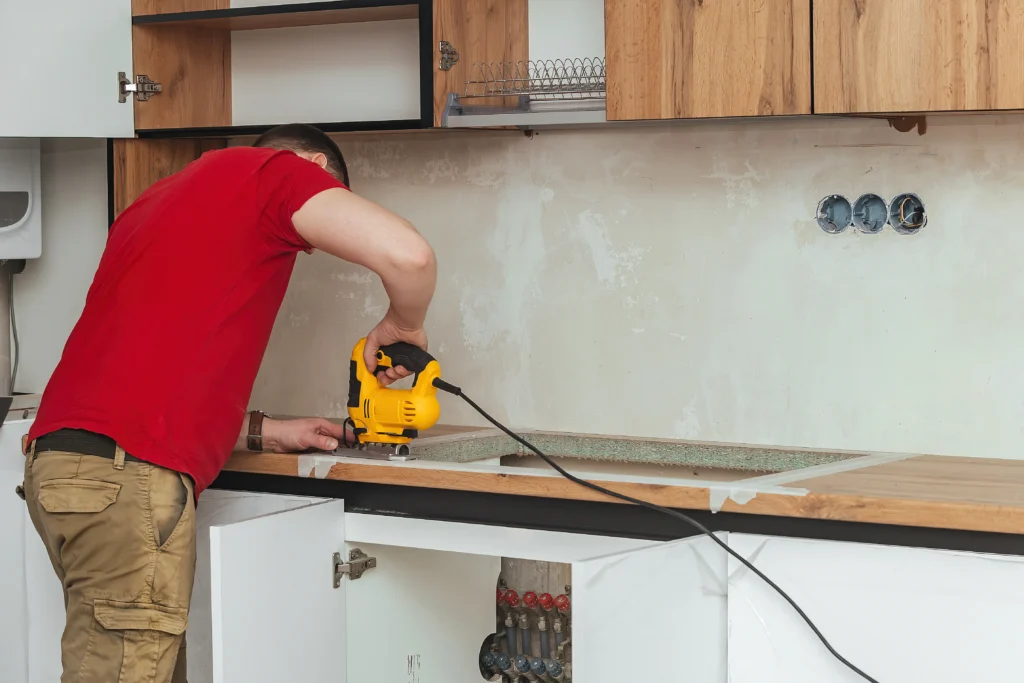
Here are practical tips:
- Choose mid range granite instead of high end marble
- Keep the same layout to avoid plumbing changes
- Compare multiple contractor quotes
- Choose standard edge profiles
- Replace backsplash later if budget is tight
Planning carefully can save thousands.
FAQs About the Cost to Replace Kitchen Countertops
1. How long does it take to replace kitchen countertops?
Most countertop replacements take 1 to 3 days after the materials are ready. However, the full process including measuring, ordering, fabrication, and installation can take 2 to 4 weeks, especially for stone materials like granite or quartz.
2. Do I need to replace my cabinets when replacing countertops?
No, you do not always need new cabinets. If your cabinets are level, sturdy, and in good condition, you can install new countertops on top of them. However, damaged or uneven cabinets may need repair before installation.
3. Are prefabricated countertops cheaper than custom ones?
Yes. Prefabricated countertops are usually less expensive because they come in standard sizes and finishes. Custom countertops cost more since they are cut and shaped specifically for your kitchen layout.
4. Does countertop thickness affect the price?
Yes. Thicker countertops cost more because they use more material and require more labor to fabricate and install. For example, 3 cm stone slabs are more expensive than 2 cm slabs.
5. Do countertop prices include delivery fees?
Not always. Some contractors include delivery in the total estimate, while others charge separately. It is important to ask for a detailed quote so you understand what is included.
6. Is it cheaper to install countertops yourself?
DIY installation can save labor costs, especially with laminate or butcher block. However, stone countertops like granite or quartz are very heavy and require professional tools. Mistakes can be expensive, so professional installation is usually recommended for stone.
7. Will replacing countertops damage my walls or backsplash?
It can. Removing old countertops may cause minor wall damage, especially if they were glued or sealed tightly. You may need small repairs or repainting after installation.
8. Are there financing options for countertop replacement?
Yes. Many contractors offer payment plans or financing options. Home improvement loans and credit cards are also common ways homeowners pay for remodeling projects.
9. Does countertop color affect the price?
Sometimes. Rare colors or patterns in natural stone can cost more because they are harder to source. Common colors like basic white, gray, or black are often more affordable.
10. How often do kitchen countertops need to be replaced?
It depends on the material. Laminate may last 10 to 15 years, while granite and quartz can last 20 years or more with proper care. If countertops are well maintained, they may not need replacement for decades.
Conclusion
Replacing kitchen countertops can cost anywhere from $1,500 to over $8,000 depending on material, size, and labor.
Laminate offers the most budget friendly option. Granite and quartz balance durability and value. Marble and quartzite provide luxury but come at a higher price.
The key is choosing a material that fits your budget, lifestyle, and long term goals. With proper planning, countertop replacement can transform your kitchen and increase your home’s value for years to come.