Uneven floors are a common problem in many homes. Over time, floors may start to slope, dip, or feel uneven when you walk on them. This issue can happen in both old and newer houses, and it can affect different types of flooring such as wood, tile, laminate, or concrete.
Uneven floors can be more than just a cosmetic issue. They can make furniture unstable, cause doors to stick, and sometimes indicate deeper structural problems in the house. The good news is that uneven floors can often be fixed once you identify the cause.
In this guide, you will learn why floors become uneven, how to identify the problem, and practical tips on how to fix uneven floors safely.
What Are Uneven Floors?
Uneven floors are floors that are not level or flat. When you walk across them, you may notice dips, slopes, or bumps.
Some signs of uneven floors include:
- Furniture that rocks or wobbles
- Gaps between floorboards
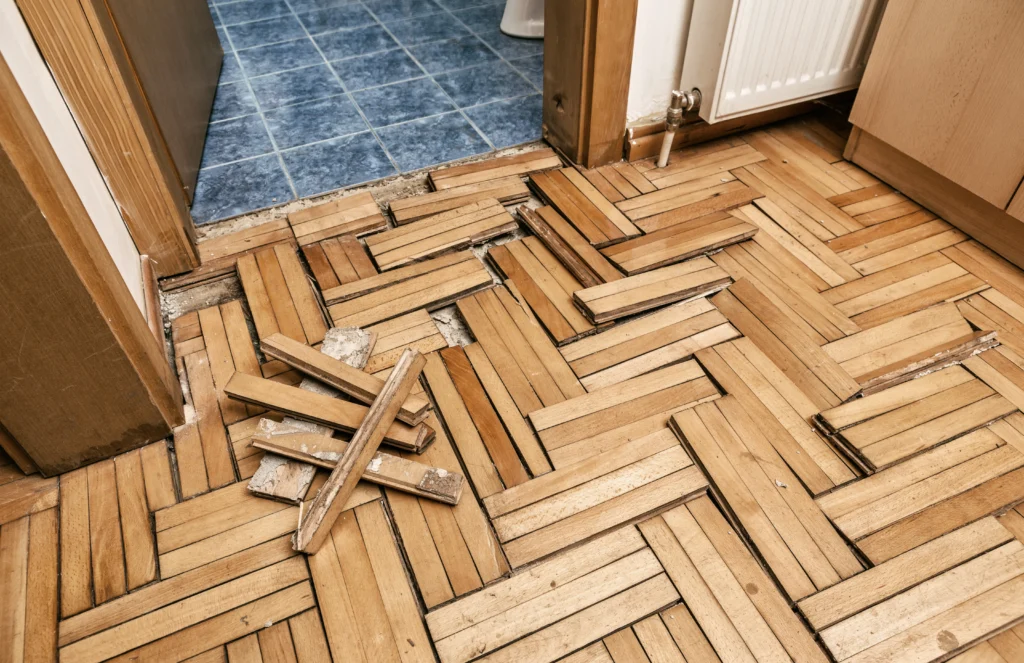
- Cracked tiles
- Doors that do not close properly
- Floors that feel sloped or sagging
- Visible dips in certain areas
Small uneven spots may only affect appearance, but larger uneven areas may require repairs.
Why Floors Become Uneven
There are several reasons why floors become uneven over time.
Understanding the cause is important because the repair method depends on the underlying problem.
Foundation Settlement
One of the most common causes of uneven floors is foundation settlement. Houses naturally settle over time as the soil beneath them shifts.
If part of the foundation settles more than the rest, it can cause floors to slope or sag.
Moisture Damage
Water damage can weaken wooden floor joists and subfloors. Moisture may come from plumbing leaks, flooding, or high humidity.
Over time, damaged wood may warp or rot, which can lead to uneven floors.
Weak Floor Joists
Floor joists are the wooden beams that support the floor. If these joists become weak, cracked, or damaged, the floor may sag in certain areas.
Poor Construction
In some cases, uneven floors may be the result of poor construction. If floors were not installed properly, they may develop uneven spots over time.
Heavy Loads
Placing very heavy furniture or appliances in one area for many years can put pressure on the floor structure and cause sagging.
How to Check If Your Floor Is Uneven
Before fixing the problem, it is important to confirm that the floor is actually uneven.
Here are some simple ways to check.
Use a Level Tool
A level tool is one of the easiest ways to check floor alignment. Place the level on different areas of the floor to see if it sits evenly.
Roll a Ball
Place a small ball on the floor and observe whether it rolls in one direction. If it rolls consistently toward one area, the floor may be sloping.
Measure the Floor Height
Use a measuring tape to check the height of the floor in different areas of the room. Differences in height may indicate uneven flooring.
Look for Visible Signs
Look for cracks in walls, gaps between flooring materials, or sloping surfaces.
Types of Uneven Floor Problems
Not all uneven floors are the same. Some are minor surface problems, while others involve structural issues.
Minor Surface Unevenness
This includes small dips or bumps in the floor surface. These are usually easier to fix and may require leveling compounds or sanding.
Subfloor Problems
If the subfloor underneath the finished flooring is uneven, it may require repair or replacement.
Structural Issues
Serious uneven floors may be caused by foundation or structural problems. These issues may require professional repair.
How to Fix Uneven Floors With Floor Leveling Compound
One of the most common solutions for uneven floors is using a floor leveling compound.
This method works best for minor dips and uneven spots.
What Is a Leveling Compound?
A leveling compound is a liquid material that spreads across the floor and fills low spots. Once it dries, it creates a smooth and level surface.
Steps to Use Leveling Compound
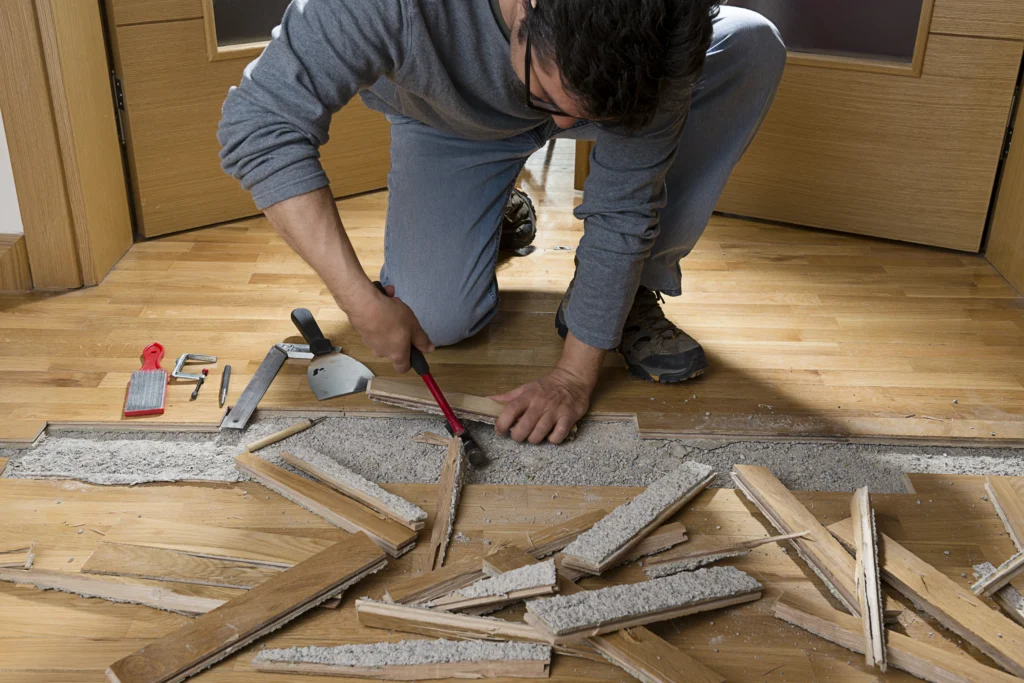
- Remove the existing flooring if necessary.
- Clean the floor thoroughly.
- Mix the leveling compound according to instructions.
- Pour the compound onto the uneven area.
- Spread it evenly using a trowel.
- Allow it to dry completely.
Once the compound dries, new flooring can be installed on top.
Fixing Uneven Wooden Floors
Wooden floors can become uneven because of damaged joists or warped boards.
Here are some ways to repair them.
Replace Damaged Floorboards
If certain boards are warped or damaged, removing and replacing them can restore a level surface.
Sand the High Spots
If the unevenness is caused by raised boards, sanding the surface can smooth the floor.
Add Support to Floor Joists
If sagging occurs due to weak joists, adding additional support beams may help restore the floor.
Fixing Uneven Floors From Below
Sometimes the best way to fix uneven floors is from underneath the house.
This method is common in homes with basements or crawl spaces.
Sistering Floor Joists
Sistering means attaching a new joist next to the existing one to strengthen the structure.
Steps include:
- Identify the damaged joist.
- Place a new beam next to it.
- Secure the beams together using screws or bolts.
This method adds strength and helps level the floor.
Using Shims to Level Floors
Shims are thin pieces of wood or plastic used to fill small gaps.
They are commonly used when leveling floors or furniture.
Steps to Use Shims
- Locate the low area in the floor structure.
- Insert shims between the joist and subfloor.
- Adjust until the floor becomes level.
- Secure the shim in place.
Shims are useful for minor adjustments.
Fixing Uneven Concrete Floors
Concrete floors can also become uneven due to settlement or cracks.
There are several methods for fixing concrete floors.
Self Leveling Concrete
Self leveling concrete is similar to leveling compound but designed for concrete surfaces.
It flows easily and fills uneven areas to create a flat surface.
Grinding High Spots
If the floor has raised areas, a concrete grinder can smooth them out.
Concrete Lifting
In some cases, professionals use special materials to lift sunken concrete slabs.
This process helps restore a level surface without replacing the floor.
When Uneven Floors Indicate Foundation Problems
Sometimes uneven floors are a sign of foundation damage.
Signs of foundation problems may include:
- Large cracks in walls
- Doors or windows that stick
- Sloping floors throughout the house
- Gaps between walls and floors
If these signs appear, it may be best to consult a professional.
Foundation repairs may involve stabilizing the soil or reinforcing the structure.
Cost of Fixing Uneven Floors
The cost of fixing uneven floors depends on the severity of the problem.
Minor repairs may cost relatively little, while structural repairs may be more expensive.
Approximate costs may include:
- Leveling compound repairs
- Replacing damaged floorboards
- Reinforcing floor joists
- Foundation repair services
The exact cost depends on the size of the area and the type of repair required.
Can You Fix Uneven Floors Yourself?
Some uneven floor problems can be fixed with basic tools and materials.
DIY repairs may be possible for:
- Minor dips in the floor
- Surface leveling
- Small structural adjustments
However, major structural problems should be handled by professionals. Attempting complex repairs without proper knowledge may cause further damage.
Tools That Help Fix Uneven Floors
Several tools are useful when repairing uneven floors.
Common tools include:
Using the right tools makes the repair process easier and safer.
Preventing Uneven Floors
Preventing uneven floors is easier than repairing them.
Here are some tips to protect your floors.
Control Moisture
Fix plumbing leaks quickly and keep humidity levels under control.
Avoid Excessive Weight
Distribute heavy furniture evenly across the floor.
Inspect Floors Regularly
Look for early signs of sagging or damage.
Maintain Proper Drainage
Good drainage around the home helps protect the foundation.
Repair Damage Early
Address small problems before they become major structural issues.
Safety Tips When Repairing Floors
Safety should always be a priority during floor repairs.
Follow these safety tips:
- Wear protective gloves
- Use safety glasses when cutting materials
- Ensure proper ventilation when using chemicals
- Use sturdy ladders or supports
- Turn off electricity when working near wiring
Working carefully helps prevent accidents.
Frequently Asked Questions
Can uneven floors affect furniture?
Yes, uneven floors can cause furniture to wobble or become unstable. This can make furniture uncomfortable to use and may lead to damage over time.
Are uneven floors common in older homes?
Yes, older homes often develop uneven floors due to natural settlement and aging materials.
Can humidity cause floors to become uneven?
High humidity can cause wooden floors to expand or warp, which may lead to uneven surfaces.
Is it safe to live in a house with uneven floors?
Small uneven areas are usually not dangerous, but severe sloping floors may indicate structural problems that should be inspected.
Do uneven floors always mean foundation problems?
No, uneven floors can result from several issues such as damaged joists, moisture damage, or improper installation.
Can uneven floors cause cracks in walls or ceilings?
Yes, uneven floors can sometimes lead to cracks in walls or ceilings. When the floor structure shifts or settles, it may place stress on other parts of the house, which can result in visible cracks.
Can uneven floors affect the value of a house?
Yes, uneven floors can affect property value. Potential buyers may see uneven floors as a sign of structural problems, which could reduce the home’s market value if the issue is not repaired.
How long does it take to fix uneven floors?
The time required depends on the type of repair. Minor surface leveling may take a few hours, while structural repairs or foundation work can take several days or longer.
Can carpet hide uneven floors?
Carpet can hide small dips or bumps in a floor, but it does not fix the underlying problem. If the unevenness is severe, it may still be noticeable even with carpet installed.
Do uneven floors get worse over time?
In some cases, uneven floors can become worse if the underlying cause is not fixed. Issues such as foundation settlement or moisture damage may continue to affect the floor structure.
Can pets or heavy foot traffic cause floors to become uneven?
Normal foot traffic or pets usually do not cause floors to become uneven. However, excessive wear over many years may contribute to surface damage in some flooring materials.
Can uneven floors affect appliances like refrigerators or washing machines?
Yes, appliances placed on uneven floors may not function properly. For example, washing machines may vibrate more and refrigerators may not stand level.
Can temperature changes affect floor leveling?
Yes, temperature changes can cause certain materials like wood to expand and contract. Over time this movement may contribute to uneven flooring.
Should flooring be removed before fixing uneven floors?
In many cases, the existing flooring must be removed to access the subfloor and properly repair the uneven surface.
Can uneven floors cause doors to swing open or closed?
Yes, sloping floors can affect door alignment. Doors may swing open or shut on their own if the floor beneath them is not level.
Conclusion
Uneven floors are a common issue that many homeowners experience. While they may seem alarming at first, the problem is often manageable once the cause is identified.
Minor uneven floors can often be fixed using simple solutions such as leveling compounds, sanding, or replacing damaged boards. More serious issues may involve repairing joists or addressing foundation problems.
Regular maintenance, moisture control, and early detection can help prevent uneven floors from becoming major problems.
If you are unsure about the cause of uneven floors in your home, consulting a professional can help ensure the right solution is applied.
With the right approach, uneven floors can be repaired, restoring both the safety and appearance of your home.