Building a house is one of the most exciting projects a person can begin. It is a major investment and a process that brings together planning, design, construction, and many decisions along the way. One of the most common questions people ask is how long the process actually takes. The answer can vary based on location, weather, home size, materials, crew availability, permits, and many other factors. Still, most homeowners want a clear and reliable timeline so they can plan their move, budget, and next steps.
This complete guide explains the typical timeline for building a house from start to finish. It walks you through every stage of construction, what can affect the timeline, and what you can do to help the process go smoothly. By the end, you will have a complete understanding of the home building timeline so that you can make informed decisions and avoid surprises.
Understanding the Average Home Building Timeline

On average, building a house takes seven to twelve months from planning to move in. Some projects take as little as four to six months, while others take more than a year. The exact length depends on the complexity of the home and how efficient the planning and building processes are.
Here is a quick overview of typical timelines:
- Production homes (homes built by large builders in new subdivisions): Around four to seven months
- Semi custom homes: Around seven to ten months
- Fully custom homes: Around ten to eighteen months
Custom homes take longer because they involve more design decisions, special order materials, unique layouts, and longer approval steps.
The sections below break down each stage and explain how long each part usually takes.
Stage 1: Pre Construction Planning
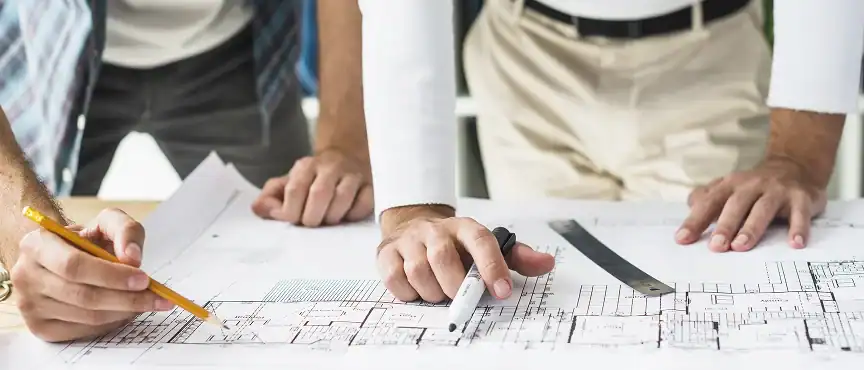
Before any building begins, there is a planning stage. This stage sets the foundation for everything that follows. If planning is rushed or incomplete, it can lead to delays later.
1. Choosing a Location and Buying Land
Choosing land can take a few weeks or a few months, depending on availability, budget, and the type of property you want. Once you choose land, you will need to complete due diligence which includes:
- Surveys
- Soil tests
- Environmental checks
- Utility access verification
These steps confirm that the land is suitable for building.
2. Designing the Home
Designing a home can take two to eight weeks. Production builders offer pre designed plans that shorten this stage. Custom home designs take longer because architects create a home from scratch.
This stage includes:
- Layout planning
- Room sizes
- Exterior style
- Structural considerations
- Electrical and plumbing plans
3. Securing Permits and Approvals
Permits are required for construction, zoning, utilities, and sometimes environmental compliance. Permit approval can take anywhere from two weeks to several months depending on local regulations.
Many delays in home building happen during this stage because cities and counties process permits at different speeds. Some regions also require special inspections before construction begins.
Stage 2: Site Preparation and Foundation

Once planning is complete and permits are approved, the builder can prepare the site.
1. Clearing and Excavation
The construction crew removes trees, brush, rocks, or previous structures. They level the land and prepare it for the foundation. This usually takes one to two weeks depending on the complexity of the land.
2. Setting the Foundation
There are several types of foundations such as slab, crawl space, or basement. Each type requires excavation, forming, pouring concrete, and letting the concrete cure.
Typical timeframe:
- Excavation: One week
- Forming and pouring: A few days
- Curing time: One week or longer
Weather can cause delays here because concrete needs dry conditions to cure properly.
Stage 3: Framing the Structure
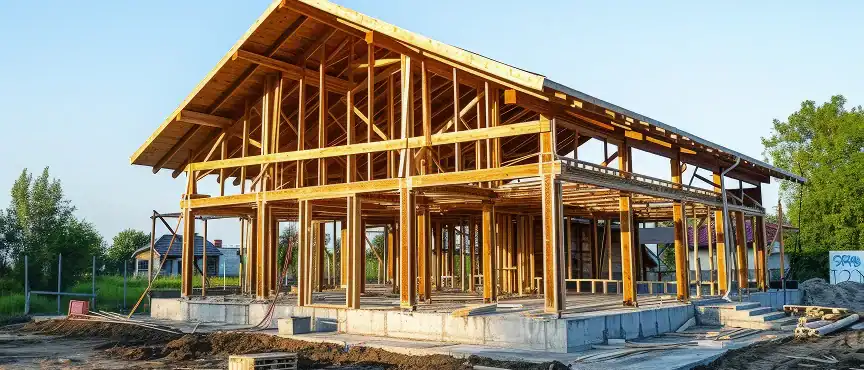
Framing is when your home starts to look real. The skeleton of the house is built during this stage using wood or steel frames.
Framing includes:
- Floors
- Walls
- Roof structure
- Windows and door openings
Once the framing is complete, the builder installs exterior sheathing and roofing underlayment. This stage can go quickly in good weather, but rain, snow, or extreme heat can slow things down.
Stage 4: Installing Mechanical Systems
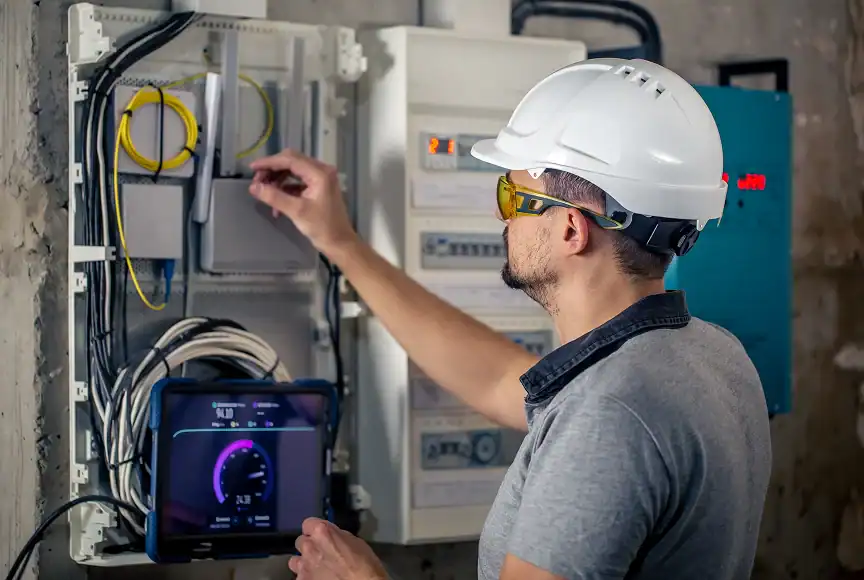
After framing, the crew begins installing essential home systems such as:
- Plumbing
- Electrical wiring
- HVAC (heating, ventilation, and air conditioning) systems
- Gas lines
- Ductwork
This phase is one of the most important parts of home construction because every system must meet safety codes. After installation, inspectors visit the site to confirm that everything is up to code.
This stage is known for potential delays because:
- Inspections must be passed before moving forward
- Specialized contractors may have limited availability
- Custom systems can take longer to install
Stage 5: Insulation and Drywall

Once all mechanical systems pass inspection, insulation is added to the walls, ceilings, and sometimes floors. Insulation helps control temperature, sound, and energy efficiency.
After insulation, drywall is installed. This includes:
- Hanging drywall sheets
- Taping the seams
- Adding joint compound
- Sanding
- Finishing the walls
Drywall finishing can take time because each layer must dry before the next one is added. Most homes spend two to four weeks in this stage.
Stage 6: Interior Finishes
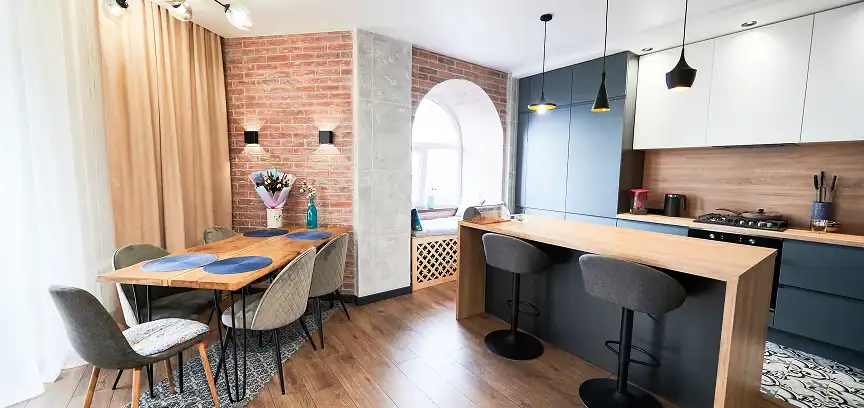
Interior finishes bring the home to life. This stage is the most exciting for homeowners because you begin to see design choices come together. It is also one of the most time consuming stages.
Interior finishing includes:
- Painting
- Flooring installation
- Kitchen and bathroom
- cabinetry
- Countertops
- Doors and trim
- Light fixtures
- Plumbing fixtures
- Shelving and storage
- Tile work
- Staircases
The length of time depends on the size of the home and how custom the finishes are. Homes with luxury materials, custom cabinetry, or specialty flooring may take longer.
Delays in this stage are common because materials often need to be ordered in advance. If an item is out of stock, it can push the timeline back several weeks.
Stage 7: Exterior Finishes
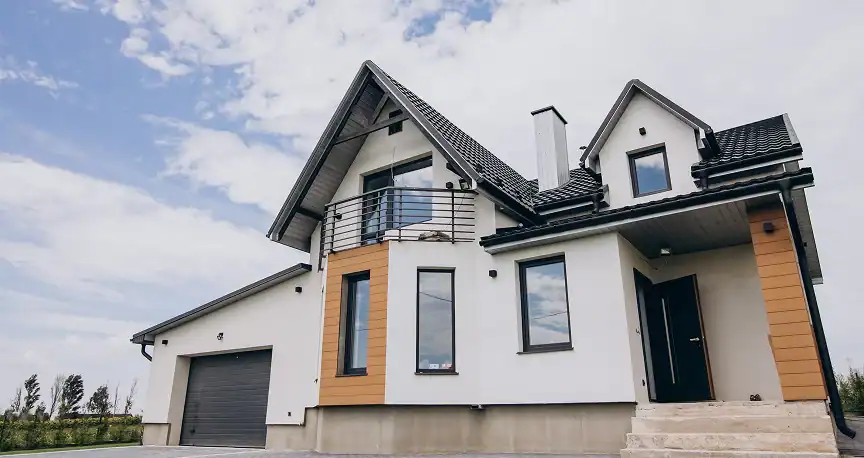
Many builders work on the exterior at the same time as interior work.
The weather has a major impact on the exterior timeline. Rain or freezing temperatures can delay siding, roofing, or painting.
Exterior finishes include:
- Roofing
- Siding
- Brick or stone
- Exterior painting
- Gutters
- Outdoor lighting
- Driveways and walkways
- Porches and patios
Stage 8: Final Inspection and Walkthrough

Before you can move in, the home must pass a final inspection. Inspectors will review:
- Safety features
- Structural soundness
- Electrical systems
- Plumbing and HVAC
- performance
- Energy efficiency compliance
If any issues are found, the builder repairs them before moving forward.
Once the home passes inspection, you will do a final walkthrough with the builder. This is your chance to report any small problems or cosmetic issues.
Stage 9: Move In

After approvals and the final walkthrough, you can prepare to move in.
This includes:
- Cleaning the home
- Scheduling movers
- Setting up utilities
- Receiving the certificate of occupancy
At this point, your home is officially complete and ready for your family.
Factors That Can Speed Up or Slow Down the Home Building Process
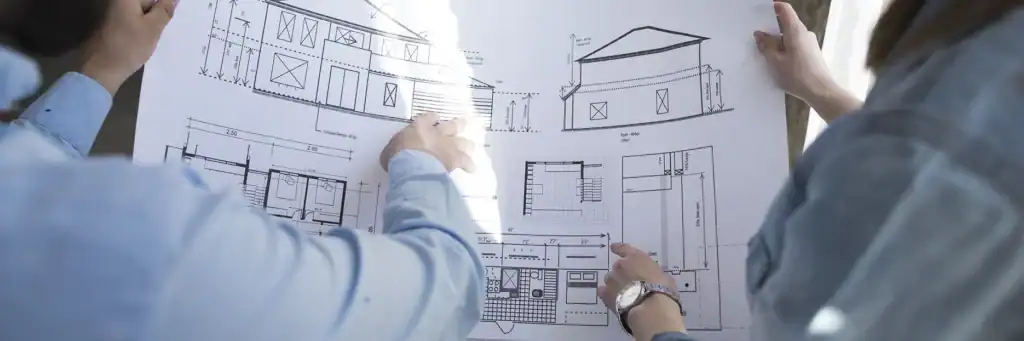
Not all homes follow the same timeline. Here are the main factors that affect how long it takes to build a house.
1. Size and Complexity of the Home
Bigger homes take longer to build. Homes with multiple floors, large kitchens, custom features, or complex layouts require more work and more time.
2. Weather Conditions
Weather is one of the biggest causes of construction delays. Heavy rain, storms, snow, or extreme temperatures slow down framing, concrete work, roofing, and exterior finishes.
3. Labor Availability
Builders rely on subcontractors such as electricians, plumbers, and HVAC technicians. If subcontractors are busy or understaffed, it can delay the process.
4. Supply Chain and Material Availability
Backordered materials, shipping delays, and manufacturing shortages can slow progress. This is especially common with custom or imported items.
5. Permit and Inspection Delays
Cities and counties often have long wait times for permit approvals and inspections. If an inspection is delayed, the construction crew must pause until approval is received.
6. Custom Features
The more custom choices you make, the longer the timeline. Custom cabinets, stonework, built in shelving, or large windows usually require special ordering and careful installation.
7. Builder Experience
An experienced builder with strong project management skills can complete a home faster because they coordinate teams efficiently and avoid common mistakes.
Tips for Reducing Construction Time
You can take steps to keep your project on track and avoid delays.
1. Make Decisions Early
Choose your flooring, cabinets, appliances, paint colors, and fixtures before construction begins. This allows the builder to order everything in advance.
2. Work With a Reliable Builder
Read reviews, check references, and choose a builder with a strong reputation for meeting deadlines.
3. Stay Flexible
If the item you selected is out of stock, be open to choosing something similar. This prevents material shortages from delaying the project.


4. Prepare for Inspections
If you are responsible for scheduling any part of the inspection process, stay ahead of deadlines and respond quickly.
5. Visit the Worksite Regularly
Checking on progress helps you catch mistakes early. You can also ask questions and clarify anything that might cause delays.
6. Keep Communication Open
Consistent communication with your builder reduces misunderstandings and helps everyone stay on the same page.
A Month by Month Breakdown of the Home Building Timeline
Here is a simplified look at what to expect each month of a typical seven to twelve month build.
Planning and permit
Finalize design
Secure permits
Begin site surveys
Foundation
Site preparation
Excavation
Foundation pouring
Framing
Build structure
Install roof framework
Add windows and door openings
Mechanical systems
Electrical, plumbing, HVAC installation
First round of inspections
Drywall and insulation
Wall insulation
Drywall hanging and finishing
Interior finishes
Painting
Cabinets
Flooring
Fixtures
Exterior finishes and final steps
Roofing
Siding
Driveways
Landscaping
Final inspection
Custom homes may extend into month twelve or longer depending on size and complexity.
How Long Does It Take to Build Different Types of Homes?
Different types of homes have different timelines.
1. Production Homes
Production homes, also known as tract homes, are built faster because the builder uses the same designs repeatedly. Construction usually takes:
2. Semi Custom Homes
These homes use existing designs but allow some customization. They take:
3. Fully Custom Homes
Custom homes involve completely original designs which take longer to build and require more unique materials and planning. Expect:
4. Modular or Prefabricated Homes
Modular homes are built in a factory and then assembled on site. They can be finished in:
This is the fastest option because weather delays are reduced and much of the work is done indoors.
Frequently Asked Questions
How long does it take to build a house after the foundation is poured?
Once the foundation is complete, most homes need five to nine months to finish depending on size and design.
Can a house be built in three months?
It is possible with modular construction or production homes, but it is rare for a traditional custom build.
What is the slowest stage of building a house?
Interior finishing is often the slowest because it involves many individual tasks and requires careful detail.
How long does it take to build a 2000 square foot home?
A 2000 square foot home typically takes seven to ten months depending on design and builder efficiency.
Conclusion
Building a house is a major project that requires planning, patience, and coordination. While the average timeline is seven to twelve months, every build is unique. Understanding each stage of the process helps you set realistic expectations and avoid stress along the way.
A well planned project with a skilled builder, good communication, and timely decision making can move smoothly and stay on schedule. As long as you prepare for potential delays and make thoughtful choices early, you can look forward to stepping into your brand new home with confidence.