Remodeling a bathroom is one of the most common home improvement projects. It can improve comfort, increase property value, and make your daily routine more enjoyable. But one question almost everyone asks before starting is simple: how much does a bathroom remodel cost?
The answer is not the same for everyone. The total cost depends on many factors such as the size of the bathroom, the materials you choose, labor charges, and how much work you want done. In this guide, we will break everything down in a simple way so you can understand what to expect and plan your budget wisely.
Average Cost of a Bathroom Remodel
In general, a bathroom remodel can cost anywhere between $3,000 and $30,000 or more. That is a wide range, but it makes sense because not all bathrooms are the same.
Here is a basic idea:
- Small or basic remodel: $3,000 to $8,000
- Mid-range remodel: $8,000 to $20,000
- High-end remodel: $20,000 to $30,000+
If you are doing a simple update like replacing fixtures or repainting, your cost will stay on the lower end. If you are changing layout, adding luxury features, or using premium materials, the price goes up quickly.
Cost Based on Bathroom Size
The size of your bathroom plays a big role in the total cost.
Small Bathroom (Half Bath or Powder Room)
A small bathroom usually has a toilet and a sink. Since there is less space and fewer fixtures, the cost is lower.
- Estimated cost: $3,000 to $10,000
Standard Bathroom (Full Bathroom)
This includes a toilet, sink, and either a shower or bathtub.
- Estimated cost: $6,000 to $20,000
Master Bathroom
Master bathrooms are larger and often include double sinks, a separate shower, a bathtub, and sometimes extra features.
- Estimated cost: $15,000 to $30,000+
The bigger the space, the more materials and labor are needed, which increases the cost.
Breakdown of Bathroom Remodel Costs
To understand where your money goes, let’s break down the main cost areas.
1. Demolition or Removing the Old Structure
Before starting any new work, the old bathroom needs to be removed. This process is called demolition. It includes removing old tiles, fixtures, cabinets, flooring, and sometimes even walls.
- Estimated cost: $500 to $3,000
The cost depends on the size of the bathroom and how much needs to be removed. If there are heavy materials like concrete or old tiles, labor costs may increase. Proper disposal of waste also adds to the expense.
Careful demolition is important to avoid damage to plumbing or electrical lines. In some cases, professionals are needed to handle this step safely.
2. Labor Costs
Labor is usually the biggest part of the budget. It can take up 40% to 60% of the total cost.
Professionals involved may include:
- Plumber
- Electrician
- Tile installer
- Carpenter
- Painter
If your project requires moving plumbing or electrical lines, labor costs will increase significantly.
3. Fixtures and Fittings
Fixtures include items like sinks, toilets, bathtubs, and showers.
Average costs:
- Toilet: $100 to $500
- Sink: $100 to $1,000
- Bathtub: $300 to $3,000
- Shower system: $300 to $2,500
Choosing basic models can save money, while designer fixtures can raise your budget quickly.
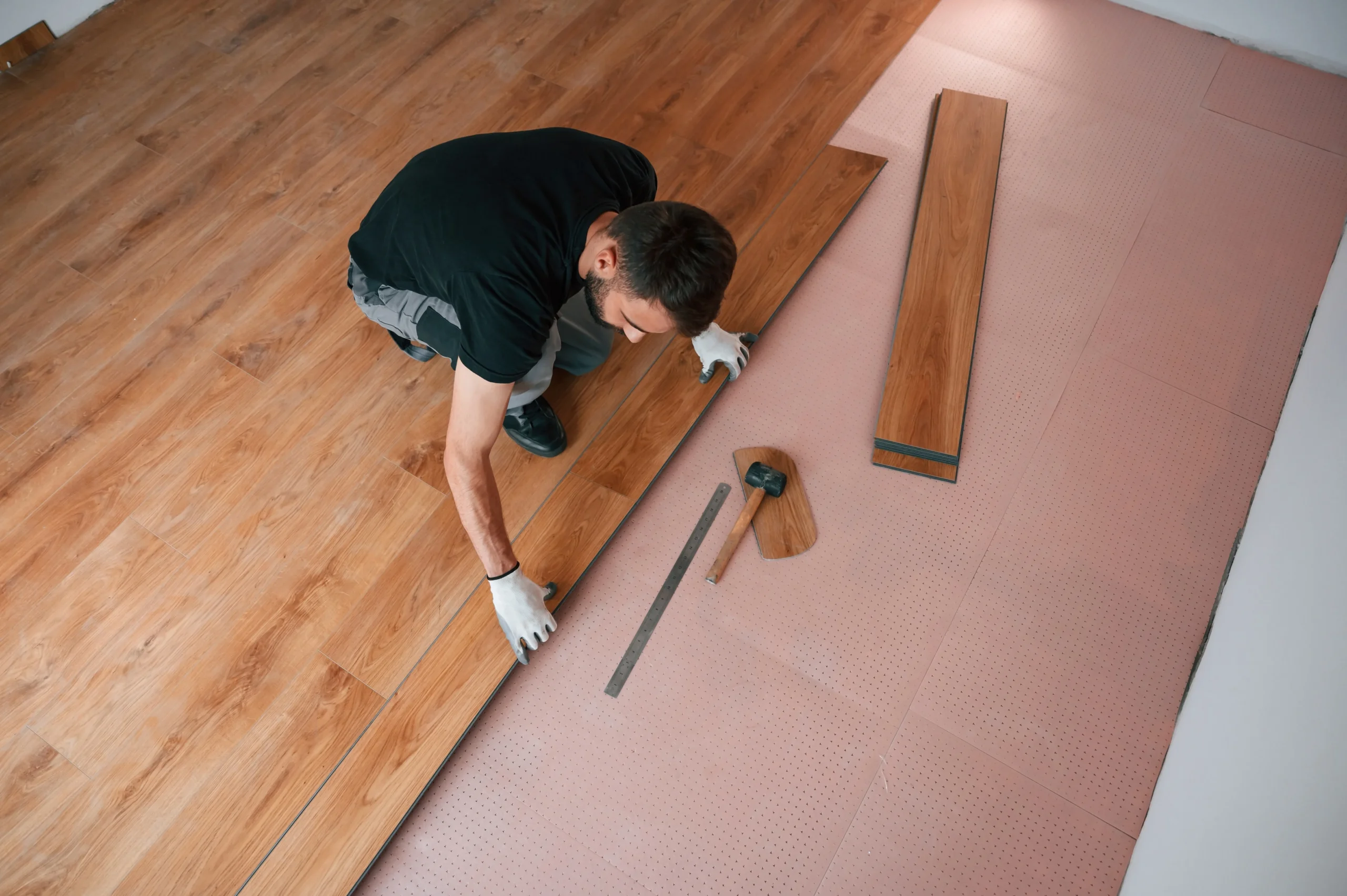
4. Flooring
Bathroom flooring must be water-resistant and durable.
Common options:
- Ceramic or porcelain tiles: $2 to $10 per square foot
- Vinyl: $1 to $5 per square foot
- Natural stone: $5 to $15 per square foot
Installation costs are extra and depend on the complexity of the design.
5. Walls and Tiles
Tiles are commonly used in bathrooms, especially in showers.
- Tile cost: $1 to $15 per square foot
- Installation: $5 to $20 per square foot
If you choose decorative tiles or complex patterns, the cost will increase.
6. Cabinets and Storage
Storage is important in any bathroom.
- Basic vanity: $200 to $800
- Mid-range vanity: $800 to $2,000
- Custom cabinets: $2,000+
Custom options are more expensive but can be tailored to your needs.
7. Lighting and Electrical Work
Lighting can change the entire feel of your bathroom.
- Light fixtures: $50 to $500 each
- Electrical work: $500 to $2,000
Adding new outlets or modern lighting designs will increase costs.
8. Plumbing Work
Plumbing costs depend on whether you are keeping the layout or changing it.
- Minor updates: $500 to $1,500
- Major changes: $2,000 to $5,000+
Moving pipes is expensive, so keeping your current layout can save money.
9. Paint and Finishing
Painting is one of the most affordable parts of a remodel.
- Cost: $200 to $800
Using moisture-resistant paint is important in bathrooms.
Cost of Materials vs Labor
A common mistake people make is focusing only on materials. Labor is often just as expensive, if not more.
Example:
- Materials: 40%
- Labor: 60%
If you choose high-end materials, both material and labor costs increase because installation becomes more complex.
Factors That Affect Bathroom Remodel Cost
Several factors can change the final cost of your project.
1. Quality of Materials
Basic materials are affordable, but premium materials like marble or custom fittings cost more.
2. Location
Labor costs vary by city or region. Urban areas usually have higher rates than smaller towns.
3. Layout Changes
Changing the position of the sink, toilet, or shower increases plumbing and labor costs.
4. Age of the Home
Older homes may need additional repairs such as fixing plumbing, wiring, or water damage.
5. Permits and Inspections
Some projects require permits, which add to the cost.
Budget-Friendly Bathroom Remodel Tips
If you want to save money, here are some practical tips.
Keep the Same Layout
Avoid moving plumbing fixtures. This alone can save a lot of money.
Choose Affordable Materials
You can find good-quality materials at reasonable prices without going for luxury options.
Refinish Instead of Replace
Instead of replacing a bathtub or sink, consider refinishing it.
Do Some Work Yourself
Simple tasks like painting or installing accessories can be done without hiring professionals.
Shop Smart
Look for discounts, sales, or bulk deals on materials.
Mid-Range vs Luxury Remodel
Understanding the difference between a mid-range and luxury remodel can help you decide your budget.
Mid-Range Remodel
- Standard fixtures
- Ceramic tiles
- Simple lighting
- Basic vanity
Cost: $8,000 to $20,000
Luxury Remodel
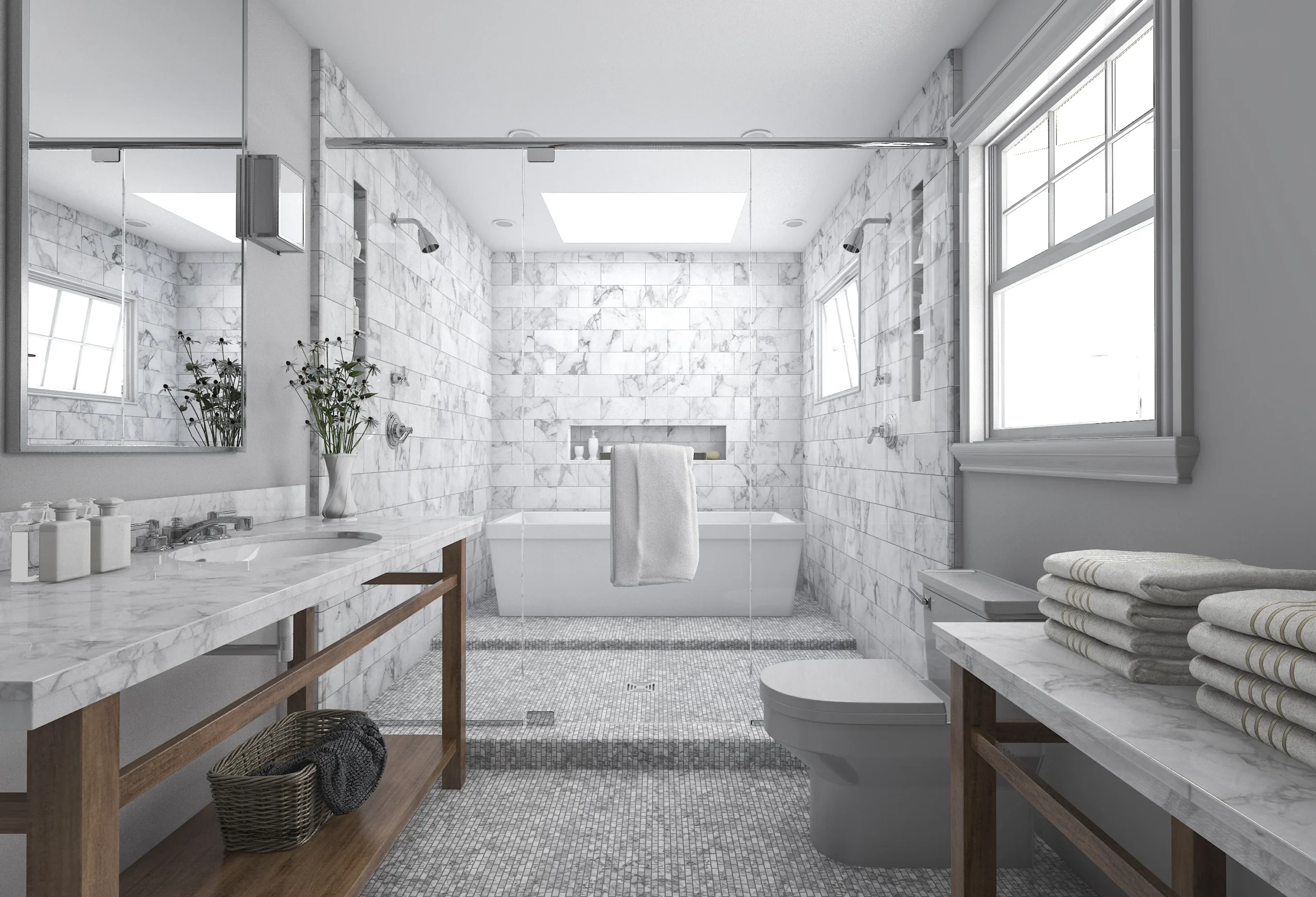
- High-end materials like marble
- Custom cabinets
- Smart features
- Designer fixtures
Cost: $20,000 to $30,000+
Luxury bathrooms focus more on comfort and style, while mid-range remodels focus on function and value.
Return on Investment
A bathroom remodel can increase your home’s value. On average, homeowners recover about 50% to 70% of the cost when selling their home.
This depends on:
- Quality of the remodel
- Location
- Real estate market
Even if you do not plan to sell soon, a renovated bathroom improves daily living.
Hidden Costs to Watch Out For
Some costs are not obvious at first but can affect your budget.
Water Damage
Old bathrooms may have hidden leaks or mold.
Structural Issues
Problems with walls or floors may require repairs.
Upgrades
Once you start remodeling, you may decide to upgrade more things, which adds to the cost.
Delays
Delays can increase labor costs and extend the project timeline.
How to Plan Your Budget
Planning your budget properly helps avoid surprises.
Step 1: Set a Clear Budget
Decide how much you are willing to spend before starting.
Step 2: Prioritize Needs
Focus on essential upgrades first.
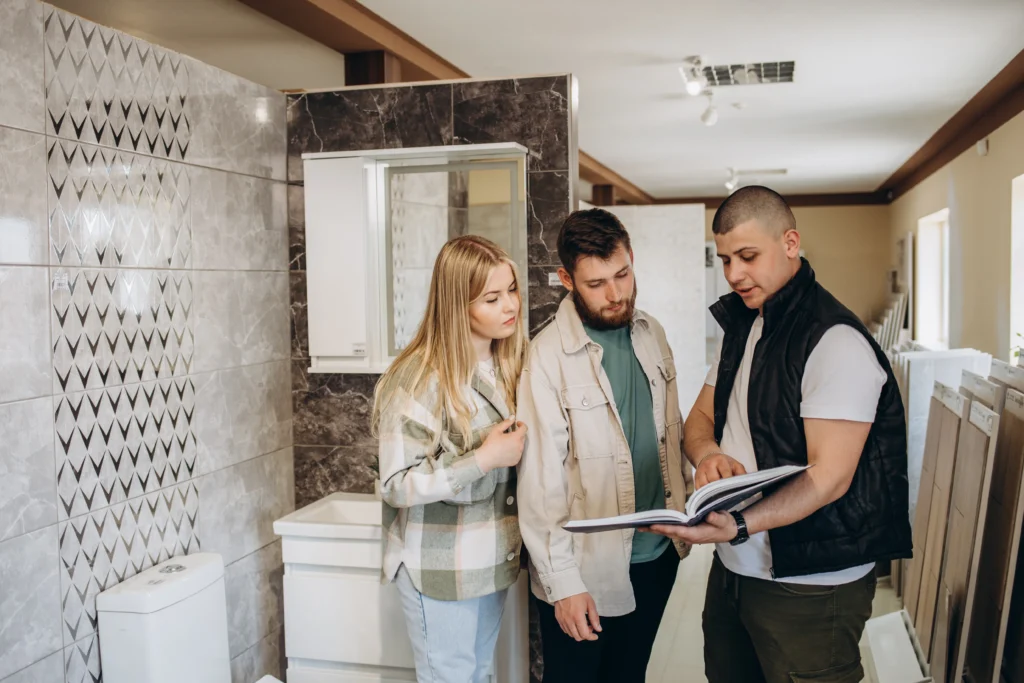
Step 3: Get Multiple Quotes
Compare prices from different contractors.
Step 4: Add a Buffer
Keep an extra 10% to 20% for unexpected expenses.
DIY vs Hiring Professionals
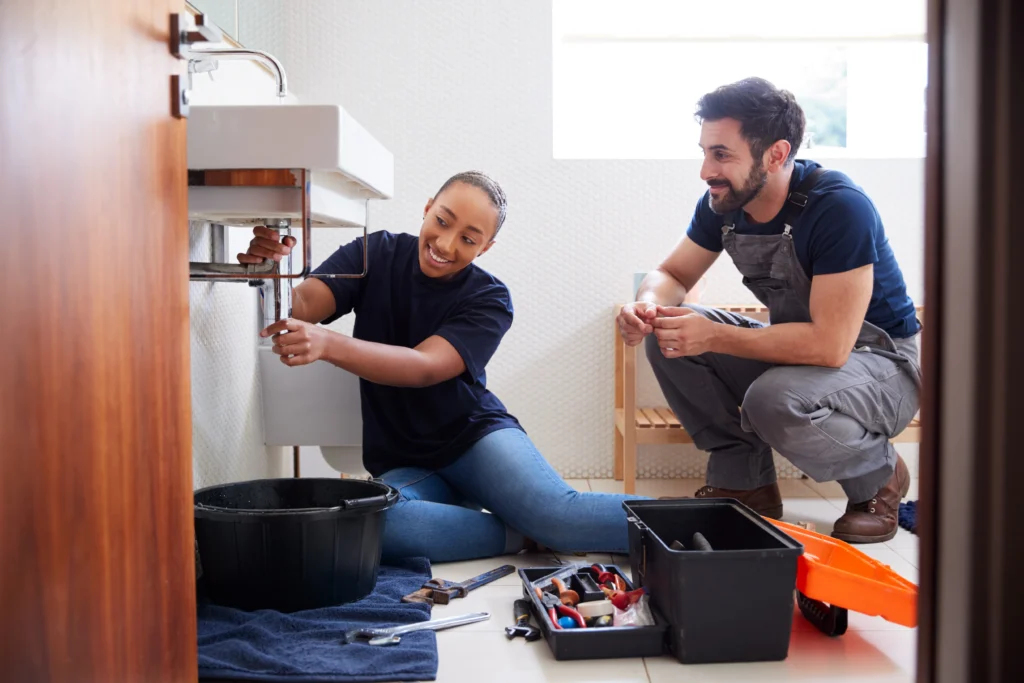
Some people choose to remodel their bathroom themselves, while others hire professionals.
DIY
Pros:
- Saves money
- Flexible timing
Cons:
- Time-consuming
- Risk of mistakes
Hiring Professionals
Pros:
- Better quality work
- Faster completion
Cons:
- Higher cost
For complex tasks like plumbing and electrical work, it is best to hire professionals.
Timeline of a Bathroom Remodel
A typical bathroom remodel can take 2 to 6 weeks depending on the complexity.
Steps include:
- Planning and design
- Demolition
- Plumbing and electrical work
- Installation of fixtures
- Finishing and painting
Delays can happen if materials are not available or unexpected issues arise.
Common Mistakes to Avoid
Avoiding mistakes can save both time and money.
- Not setting a budget
- Choosing style over function
- Ignoring ventilation
- Hiring unqualified contractors
- Skipping waterproofing
Planning carefully helps prevent these problems.
Is a Bathroom Remodel Worth It?
In most cases, yes. A bathroom remodel improves comfort, increases property value, and makes your home more appealing.
Even small upgrades can make a big difference. You do not always need a full remodel to see improvement.
Bathroom Remodel FAQs
1. How long should I wait before using my bathroom after remodeling?
It depends on the work done. For simple updates, you may use it within a day. For full remodels, it can take 24 to 72 hours after completion, especially if tiling or plumbing work was involved.
2. Can I remodel my bathroom in stages to save money?
Yes, you can split the project into phases such as flooring first, then fixtures, then painting. However, this may increase overall labor costs in the long run.
3. What is the most expensive part of a bathroom remodel?
Usually, labor and plumbing changes are the most expensive parts. Custom tiles and high-end fixtures can also add significantly to the cost.
4. Do I need to waterproof my bathroom during remodeling?
Yes, proper waterproofing is essential to prevent leaks, mold, and structural damage. Skipping this step can lead to costly repairs later.
5. How much does a bathroom remodel cost on average?
The average cost of a bathroom remodel ranges from $3,000 to $30,000 or more, depending on the size, materials, and complexity of the project.
6. What type of bathroom adds the most value to a home?
A full bathroom or a modern master bathroom usually adds the most value, especially if your home currently has limited bathrooms.
7. Is it better to hire a contractor or manage the project myself?
Hiring a contractor is easier and faster, while managing it yourself can save money but requires time, planning, and coordination.
8. What permits are usually required for a bathroom remodel?
Permits may be required for plumbing, electrical work, or structural changes. Requirements vary depending on your local regulations.
9. How can I make a small bathroom look bigger during a remodel?
Use light colors, large mirrors, proper lighting, and space-saving fixtures. Wall-mounted items also help create more visible space.
10. What are some modern trends in bathroom remodeling?
Popular trends include walk-in showers, smart mirrors, floating vanities, matte finishes, and eco-friendly fixtures.
Conclusion
The cost of a bathroom remodel depends on your choices, needs, and budget. While the price can vary widely, understanding the different factors helps you plan better.
Start by deciding what you want to achieve. Set a realistic budget and stick to it. Whether you go for a simple update or a full luxury remodel, careful planning ensures you get the best value for your money.
A well-designed bathroom is not just about looks. It is about comfort, function, and making your everyday life easier. Investing in the right upgrades can make your home more enjoyable for years to come.